An investor presentation for a residential project: what goes in, in what order
The structure of an investor and sales deck for a residential project: the story, location, architecture, unit mix, numbers and timeline, and what investors ask when something is missing.
Part of the guide: How to market a new residential development, from pre-launch to handover
A real estate investor presentation for a residential project has to answer three questions, in this order: what the project is, why it will work, and exactly what you are asking the investor for. The order that works: cover, the project in one sentence, location and context, the site, architecture and team, unit mix, amenities, renders, market context with sources, the numbers (costs, sales assumptions, timeline, financing structure), risks and mitigations, the ask, and contact. That is usually 15 to 25 slides plus appendices. Every figure is either sourced or labelled as an assumption, and the project’s accountants and lawyers review the numbers before the deck goes out.
Below we go through what belongs on each slide and why, how to present numbers honestly, and how an investor deck differs from a sales deck for buyers. This is not financial or legal advice; it is the working order of a studio that builds these presentations.
Investor deck vs sales deck: same project, different emphasis
It is the same project, the same renders and the same design language, but a different audience with different questions. A buyer asks what life in the apartment will be like, what the neighbourhood offers, what the specification is and when they get the keys. An investor asks what the project costs, what the units will sell for, what happens if sales are slow, who is delivering it and what they get in return.
| Investor presentation | Sales deck for buyers | |
|---|---|---|
| Core question | Does the project make sense, and who delivers it | Is this my home |
| Weight of renders | Medium, they support the story | High, they are the story |
| Numbers | Costs, revenue, financing, sensitivity | Prices and payment terms at most |
| Team | Developer, architect, contractor, track record | Usually developer and architect only |
| Risks | An explicit section with mitigations | Not included |
| Close | The ask: amount, structure, expected return, timeline | Book a visit to the sales suite |
Build both from one slide system, so the shared slides (location, architecture, renders, amenities) are updated once. What to avoid: taking the sales deck and adding a table of figures at the end. The investor sits through ten slides of mood before reaching what they came to check.
The order, slide by slide
This is the order we recommend for a development project presentation. You can merge or split slides, but keep the logic: first what and where, then who and why, and only then how much.
| # | Slide | What goes on it |
|---|---|---|
| 1 | Cover | Project name, the strongest exterior render, developer name and date. No slogan. |
| 2 | The project in one sentence | What, where, how many units, for whom. For example: a 22-storey tower of 86 residences, two minutes from the sea. |
| 3 | Location and context | Map, transport, schools, parks, nearby developments. An aerial view. |
| 4 | The site | Size, building rights, planning status, permits: what is approved and what is not yet. |
| 5 | Architecture and team | Architect, contractor, project manager, developer, and completed past projects. |
| 6 | Unit mix | A table: type, number of units, area, balcony, floor range. |
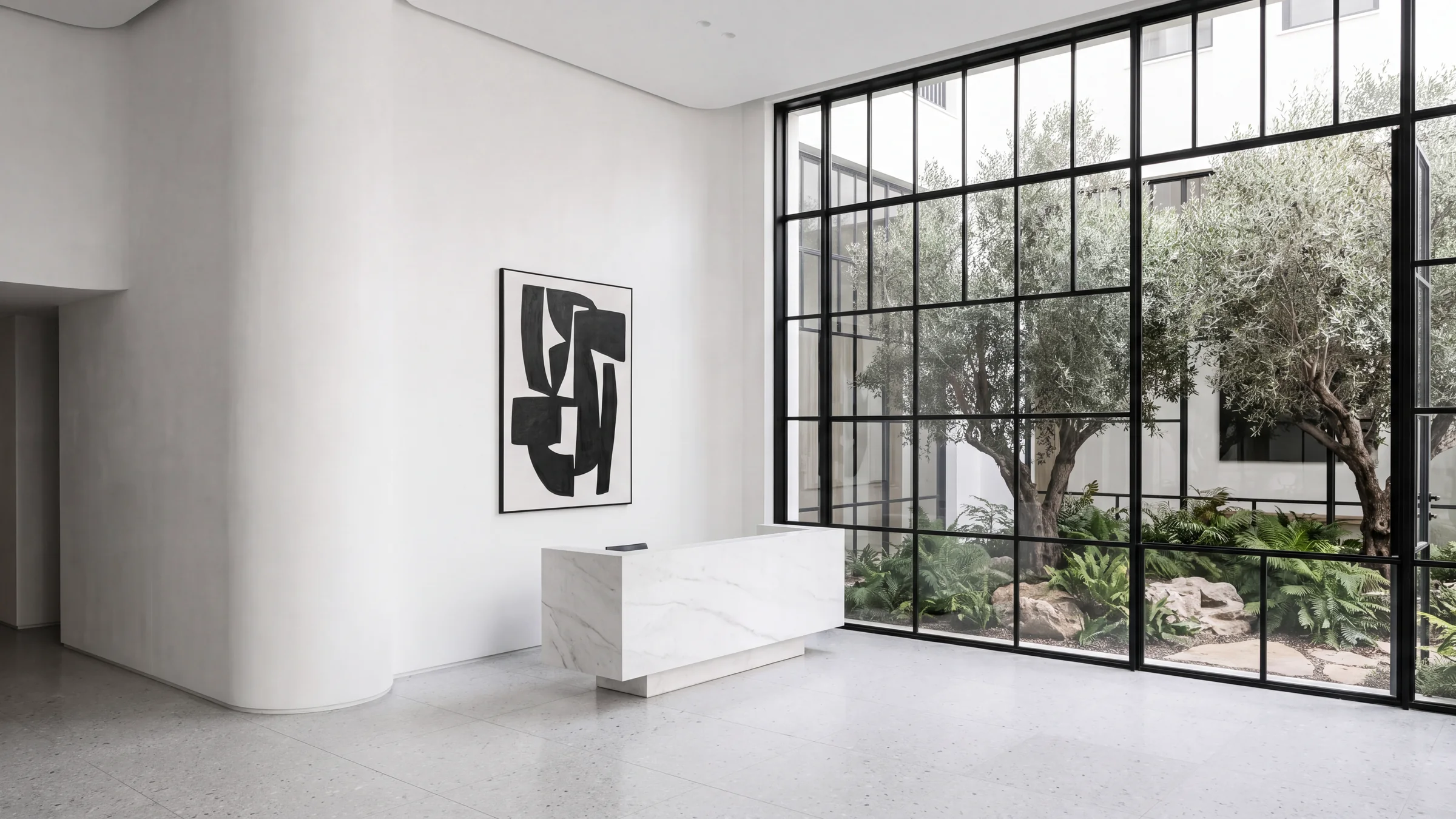
| 7 | Amenities | Lobby, pool, roof, parking, storage. What sets it apart locally. |
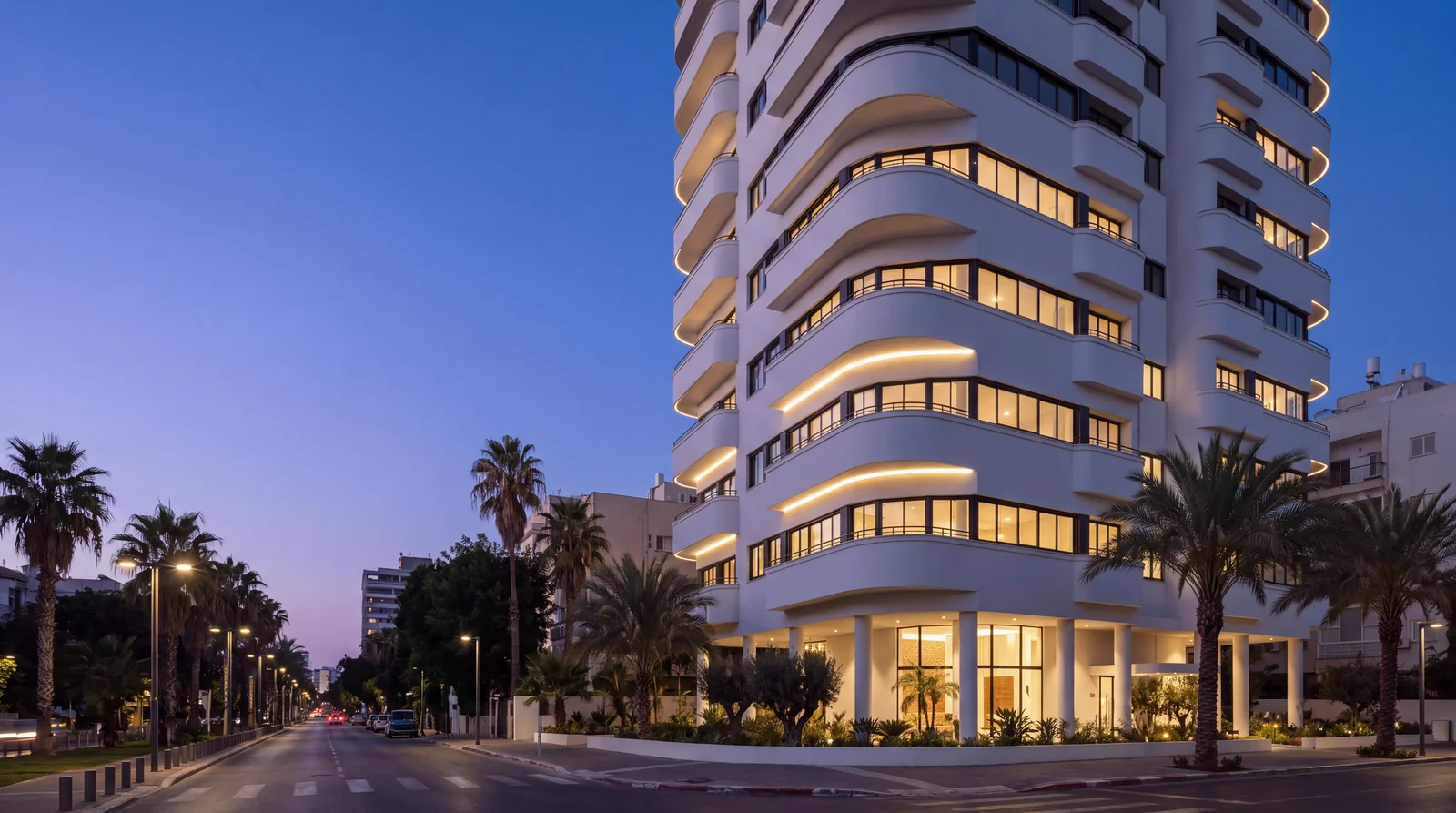
| 8 | Renders | Exterior, dusk, lobby, interiors, view from the floor. Three to six slides at most. |
| 9 | Market context | Comparable sales and local prices, with a source and date for every figure. |
| 10 | Costs | Land, construction, design fees, levies, financing, marketing, contingency. |
| 11 | Sales assumptions | Price per square metre by type, sales pace, pre-sales, discounts. |
| 12 | Timeline | Permit, start on site, structure, fit-out, completion, handover. As ranges. |
| 13 | Financing structure | Equity, bank facility, buyer deposits, investor capital and where it sits. |
| 14 | Risks and mitigations | The main risks and what is being done about each. |
| 15 | The ask | How much, in what structure, what the investor receives, expected timeline to return. |
| 16 | Contact | One named contact, an email, and what happens after the presentation. |
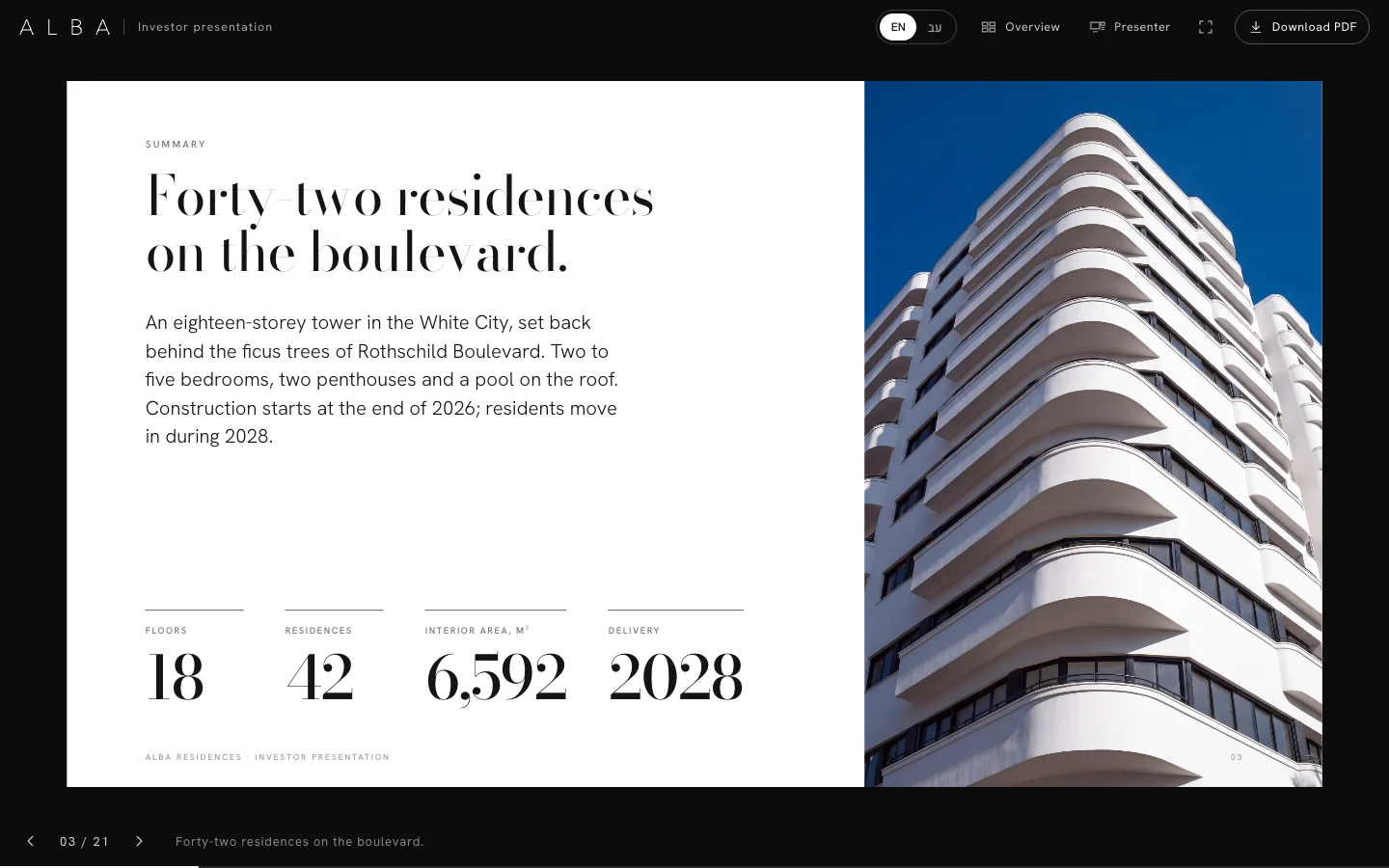
Slide 2 matters most, and many investors will not go past it if it is unclear. If you cannot state the project in one sentence with numbers in it, stop and write that sentence before any design begins.
Presenting the numbers honestly
An experienced investor checks the assumptions first and the result second. A deck where every figure is precise to the unit and none has a source earns less trust than one with ranges and sources. A few rules:
- A source for every market figure: comparable sales, rents, demand data. Source name and date, on the slide or in the appendix.
- Assumptions labelled as assumptions: expected sale price, sales pace, construction cost per square metre. Write “assumption”, and do not present it as fact.
- Ranges instead of points: construction cost as a range, handover as a quarter rather than a date.
- Sensitivity: what happens to the margin if sale prices come in 5% or 10% lower, if construction costs rise, if sales slip by a year. One simple table is enough.
- Consistency: the same unit count, areas and prices on every slide and in every appendix. One contradiction undermines trust in everything else.
- Approved versus planned: rights granted, permit received, bank facility signed, as opposed to what is still in progress.

Design: one idea per slide, real renders, one brand system
Most real estate pitch decks are read without the presenter, from a forwarded PDF. So each slide has to stand on its own: a headline that states the conclusion, not the topic. Not “Unit mix” but “86 residences, most of them three and four bedrooms”. Under the headline, the figure or image that proves it.
- One idea per slide: if there are two ideas, that is two slides.
- Real renders of this project, not stock photos of someone else’s apartments. Investors spot illustration images at once. We wrote about producing the renders in real estate 3D visualisation; they are made in our AI imagery and 3D service.
- Tables over decorated charts: a cost table reads better than a 3D pie.
- One brand system: the same typefaces, colours, grid and image treatment as the hoarding, the website and the sales suite. That is what makes the project recognisable.
- Large numbers, short text: if a slide needs a paragraph to explain it, the explanation belongs in the appendix.
The project’s brand system is set before the deck, in brand guidelines that define logo, typography, colour and how renders are used. You can see an example in ALBA’s brand guidelines, and we covered what goes into such a document in the brand book. We build all of this in our websites, landing pages and branding service.
Format: screen, PDF, Hebrew and English
The same presentation has to work in several situations, and it is easier to plan for that from the start than to convert at the end.
- Screen: for presenting in a meeting or on a video call. It can include the film, transitions between renders and a residence walkthrough.
- PDF: for email and reading alone. No animation, all the words the presenter would have said, and a file size that fits in an inbox.
- Hebrew and English: for an Israeli project, local investors read Hebrew and international partners read English. It is more than a text translation: area units, currency and local terms such as the occupancy certificate (Form 4) or the betterment levy need a short explanation. The Hebrew version runs right to left throughout, tables and charts included.
- Appendices: full tables, floor plans, specification, comparable sales. As a separate file or at the end of the PDF.
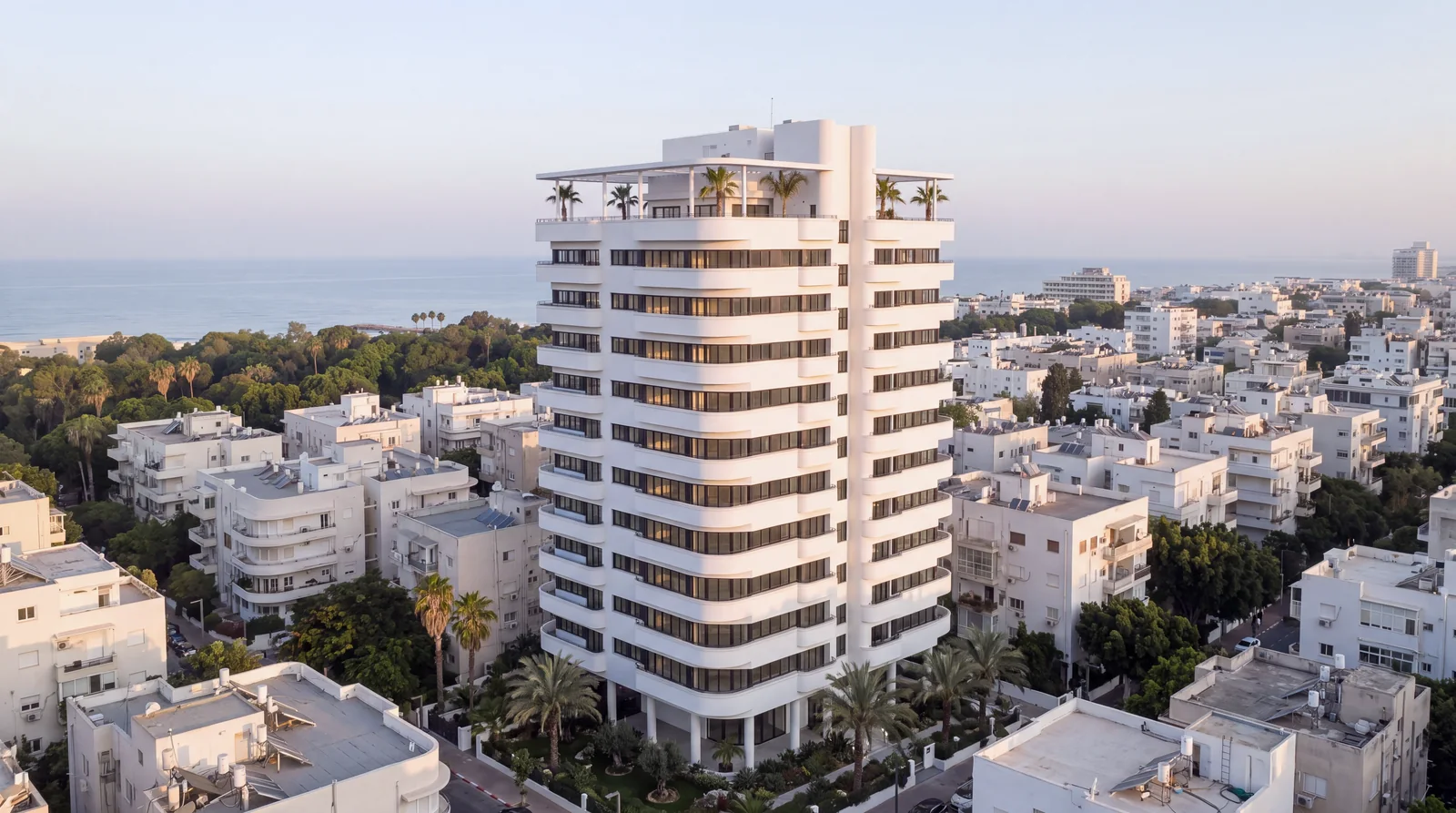
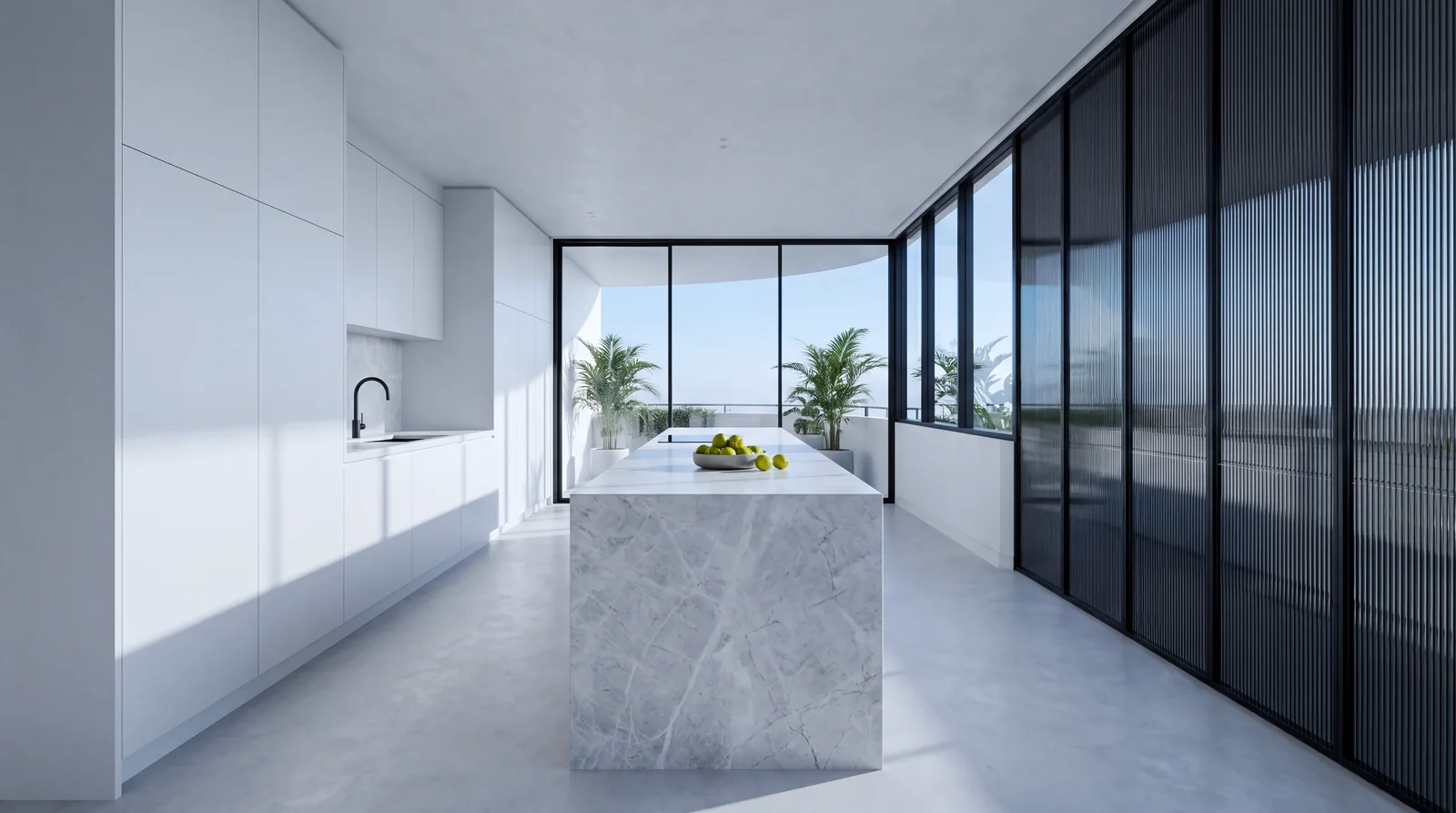
You can see this working in ALBA’s investor and sales deck: the story, the architecture, the numbers and the plan, on screen and as a PDF. It is a concept we built; the business and the figures are fictional. Its renders are the same ALBA renders, film and 360° tours used for buyers, which shows how one set of assets serves both audiences.
Common mistakes
- Opening with ten slides of atmosphere and reaching the numbers on slide twenty.
- Figures with no source, or assumptions presented as facts.
- Not stating the ask. An investor who finishes the deck should know how much is being raised and in what structure.
- Hiding risks. Investors know they exist, and a deck that ignores them raises suspicion.
- Contradictions between slides: 86 units on one slide and 84 in the appendix.
- Stock photos, or renders from another project.
- A design unrelated to the rest of the project’s materials, so the deck looks like it came from a different company.
- A 60 MB PDF that bounces, or a file that only renders correctly with fonts installed on the designer’s computer.
After the presentation: tracking investors and enquiries
A deck sent to twenty investors creates twenty follow-ups, questions and document requests. Keep them in the same system you use for buyer enquiries, with a status for each investor and a record of what was sent and when. We described how to set that up in a CRM for real estate. It also tells you which version of the deck each investor received, which matters once the numbers are updated.
If you are preparing a raise or a launch, send a brief with what you already have: drawings, renders, approved figures and a target date. We reply by email with a written direction, a price and a date. You can also look through the ALBA deck first.
No term matches.
Questions
How many slides should a real estate investor presentation have?
Usually 15 to 25 slides, plus appendices with full tables, floor plans and comparable sales. What matters is one idea per slide and reaching the numbers before the reader loses interest.
What is the difference between an investor deck and a sales deck?
An investor deck is about viability: costs, revenue, financing, risks and the ask. A sales deck for buyers is about the residence, the neighbourhood and the specification. Both are best built from one slide system and one set of renders.
How should sales assumptions be shown?
Labelled as assumptions rather than facts, as ranges, with a source for every market figure and a sensitivity table showing what happens if prices or sales pace come in lower than expected.
Who should review the numbers before the deck is sent?
The project’s accountants and lawyers. Raising money from investors is regulated; the studio is responsible for presenting the approved figures clearly and consistently, not for the figures themselves.
Does a real estate pitch deck need a second language?
If you have international investors or partners, yes. The English version should explain local terms such as occupancy certificates and levies, and present area and currency in units the reader knows.
What format should the deck be delivered in?
A screen version for presenting, and a PDF for email that reads well without a presenter and has a reasonable file size. Appendices can be a separate file.
Getting started
Want this for your business?
Send a short brief: three required questions, the rest only if you like. We reply by email with a direction, a written price and a date.