3D rendering cost: what architectural renders cost, and why
What 3D rendering costs per exterior and interior still, aerial, film, 360° tour and 3D residence, what drives the price, and how to compare rendering quotes.
Part of the guide: How to market a new residential development, from pre-launch to handover
An architectural 3D rendering for a residential project typically costs roughly $550–$1,600 per exterior still and roughly $400–$1,100 per interior still in the market we work in, Israel. A short 30–60 second film runs roughly $1,900–$5,400, and a full pre-sales package with dozens of stills, a film, 360° tours and furnished 3D residences reaches the tens of thousands of dollars. The price depends mostly on the 3D model, the number of camera angles, the level of detail, the surroundings and the number of revision rounds.
These are rough USD conversions of the ranges we see in quotes and projects in Israel, not a price list. Studios in the US, UK or Western Europe often charge more for the same scope, and offshore studios sometimes less. Use the figures as proportions: what a film costs relative to a still, what a package saves compared with ordering image by image. Which kinds of visuals a project needs and what each is used for is covered in our guide to real estate 3D visualisation; this article is only about price.
Typical 3D rendering prices by asset
The table gives typical ranges for a residential project, before sales tax. A private house or a small renovation scheme sits lower; a tower in a dense urban setting sits higher.
| Asset | Rough range (USD) | What it depends on |
|---|---|---|
| Exterior still (one view) | Roughly $550–$1,600 | Camera height, how much context and landscape is visible, day or night, billboard resolution. |
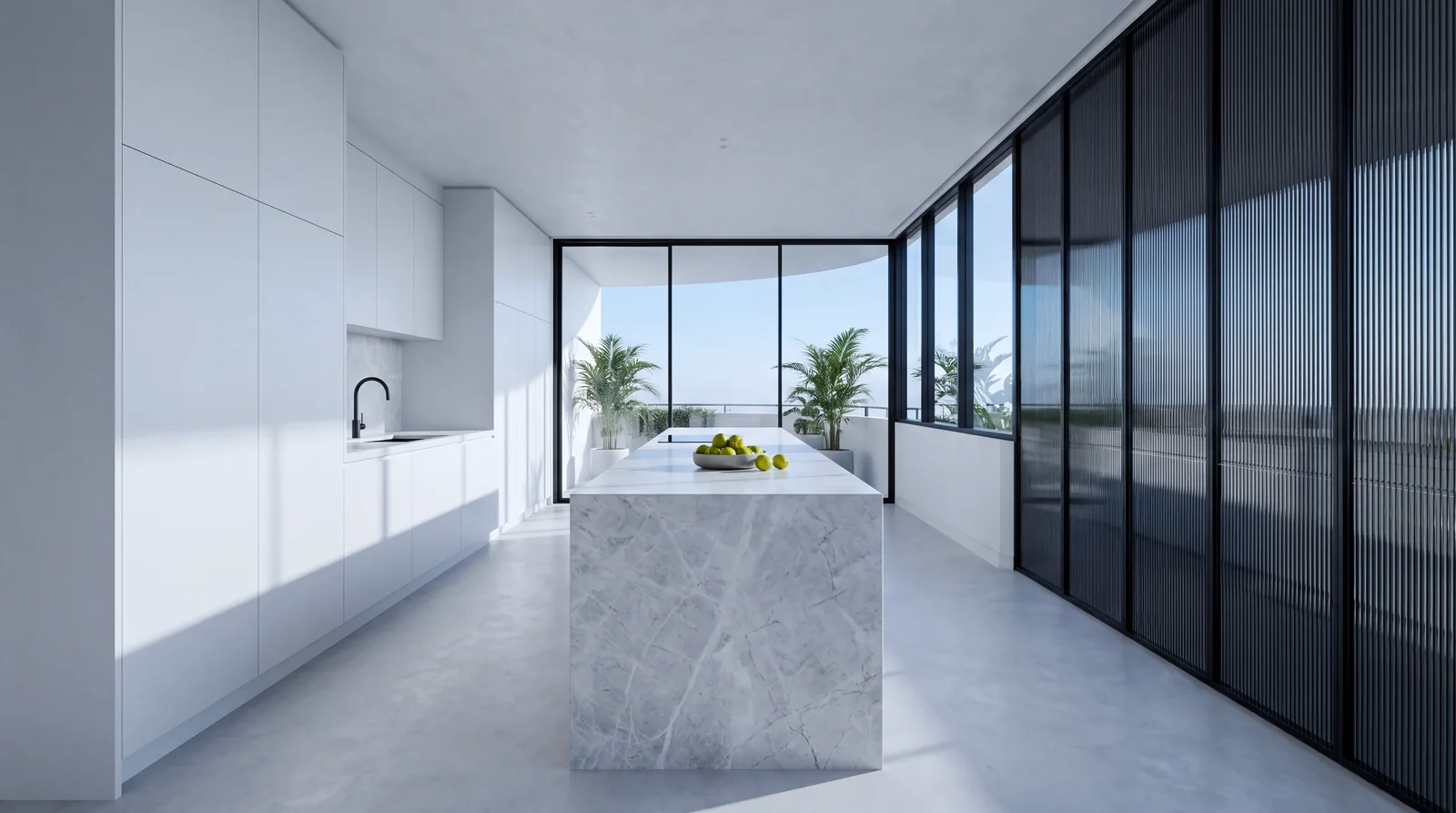
| Interior still (one view) | Roughly $400–$1,100 | Furniture and materials, the view out of the window, lighting, how many rooms are in frame. |
| Aerial and context view | Roughly $800–$2,400 | Modelling the neighbourhood, a drone photo as the base, accuracy of streets and neighbouring buildings. |
| Colour or 3D floor plan | A few hundred dollars per unit type or less | Flat or 3D, furnished, how many unit types share one model. |
| 360° tour (one standing point) | Roughly $400–$1,100 | The point is rendered in every direction, so every corner of the room must be finished. |
| Furnished 3D residence (per unit type) | Roughly $1,400–$4,000 | Unit size, full furnishing, top-down and eye-height views, day and night. |
| Short film (30–60 seconds) | Roughly $1,900–$5,400 | Number of shots, people and movement, music and voice-over, social cuts. |
| Full film (1–3 minutes) | Roughly $4,000–$13,500+ | Length, a continuous move from neighbourhood to lobby to residence, real drone footage, edit and sound. |
| Basic pre-sales package | Roughly $3,200–$8,000 | Day exterior, dusk, aerial, lobby and two interiors on one model. |
| Full pre-sales package | Roughly $16,000–$49,000 | 15–30 stills, a film, 360° tours, a 3D residence per unit type, billboard files. |
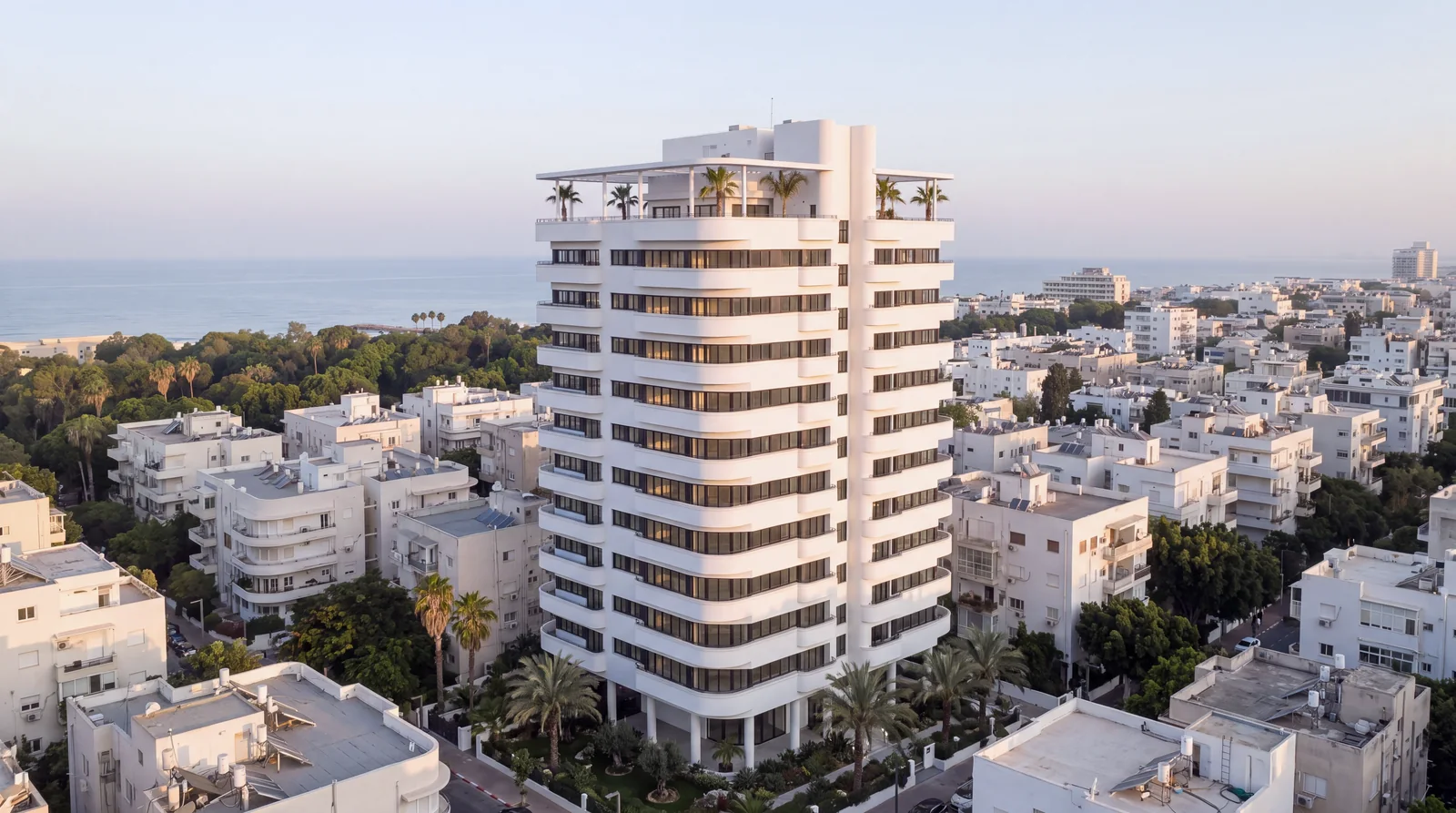
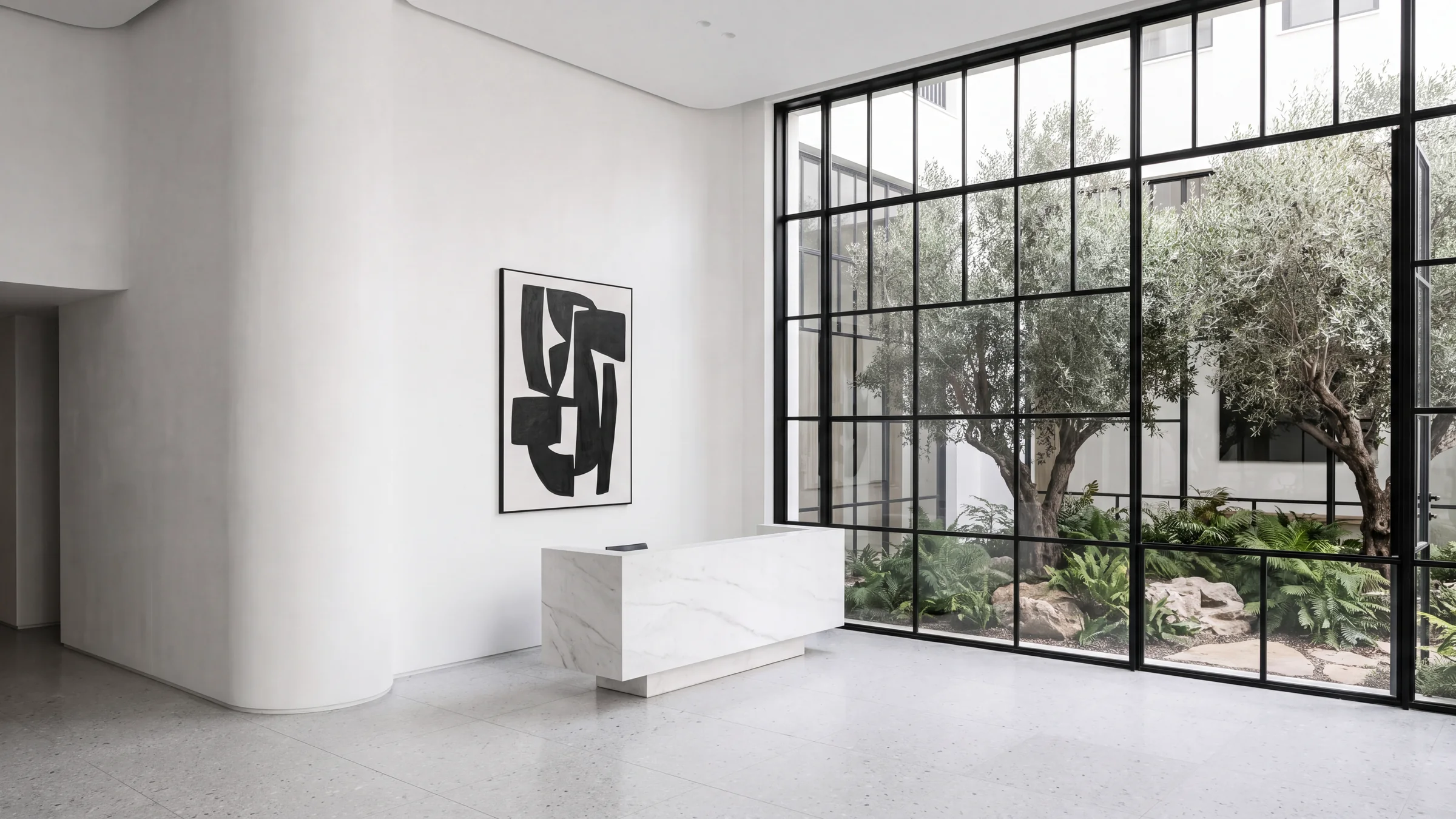
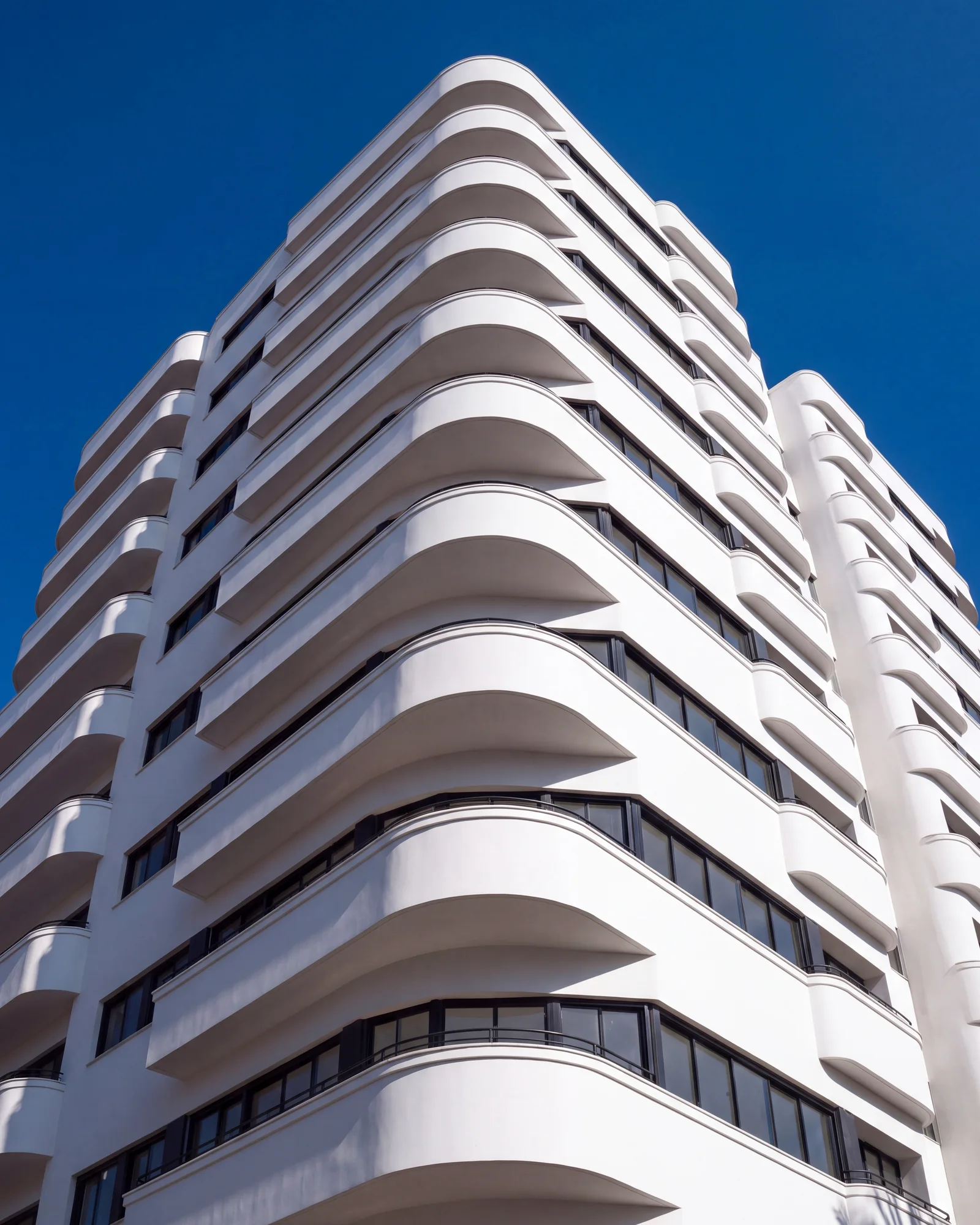
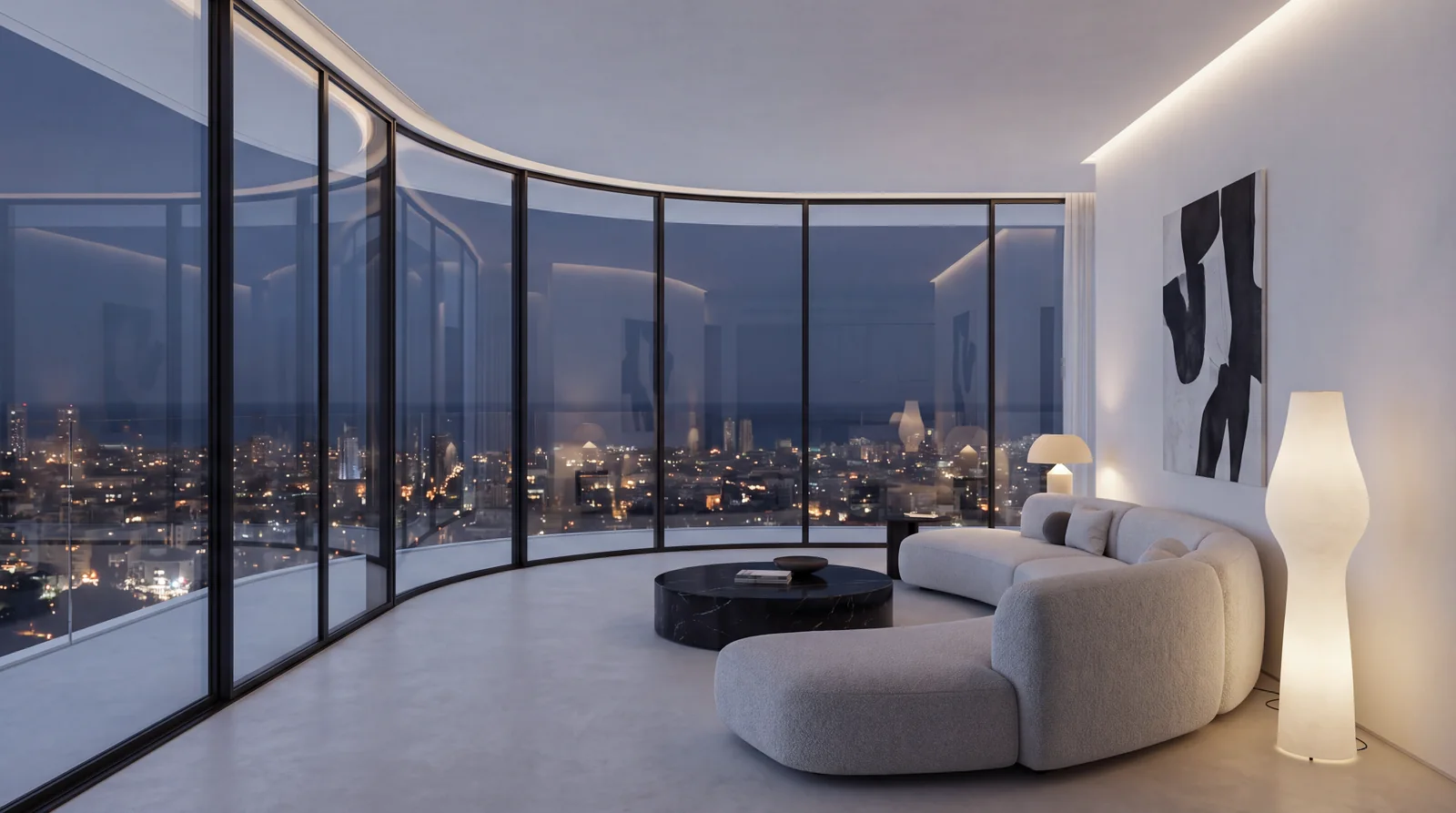
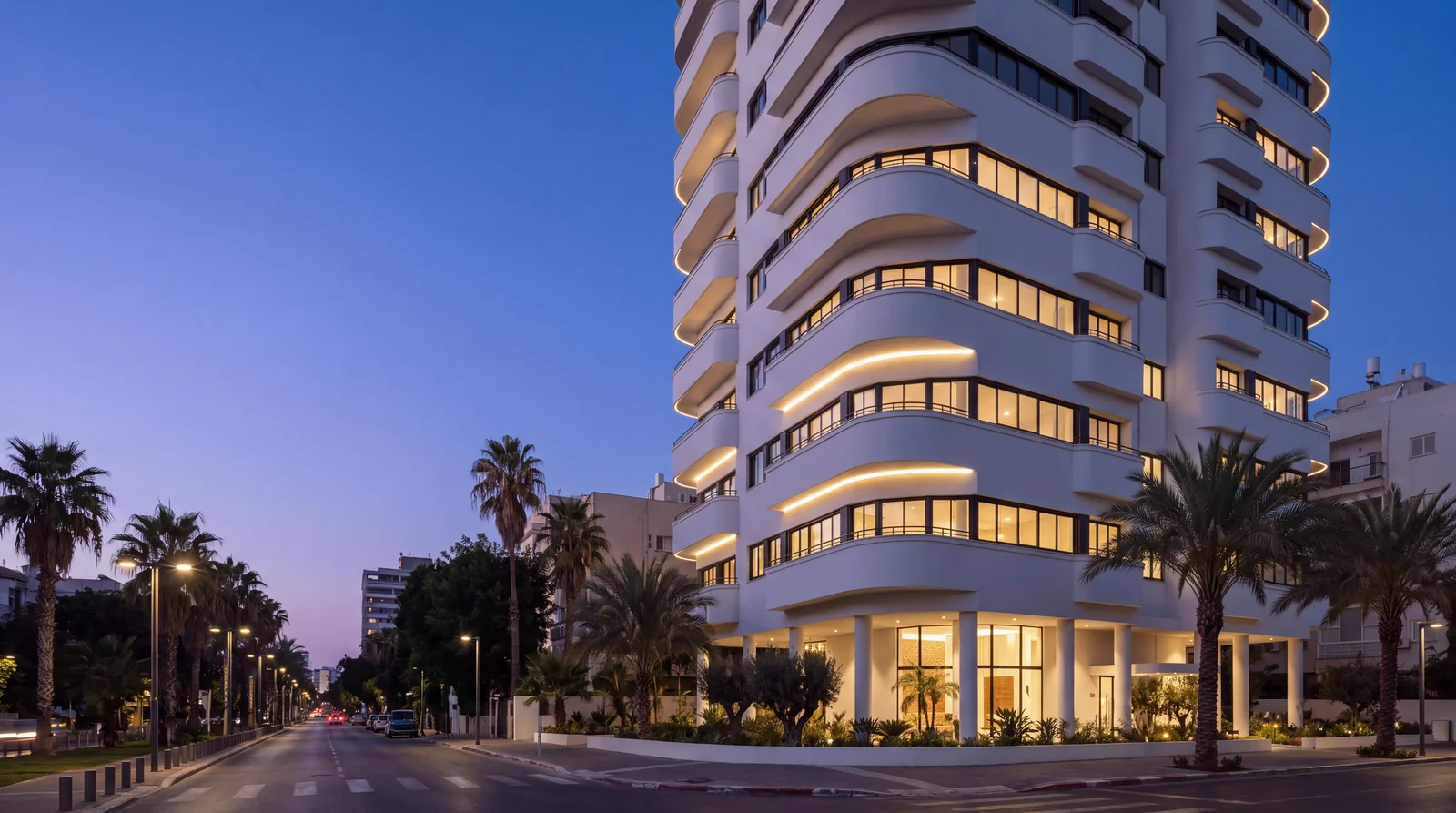
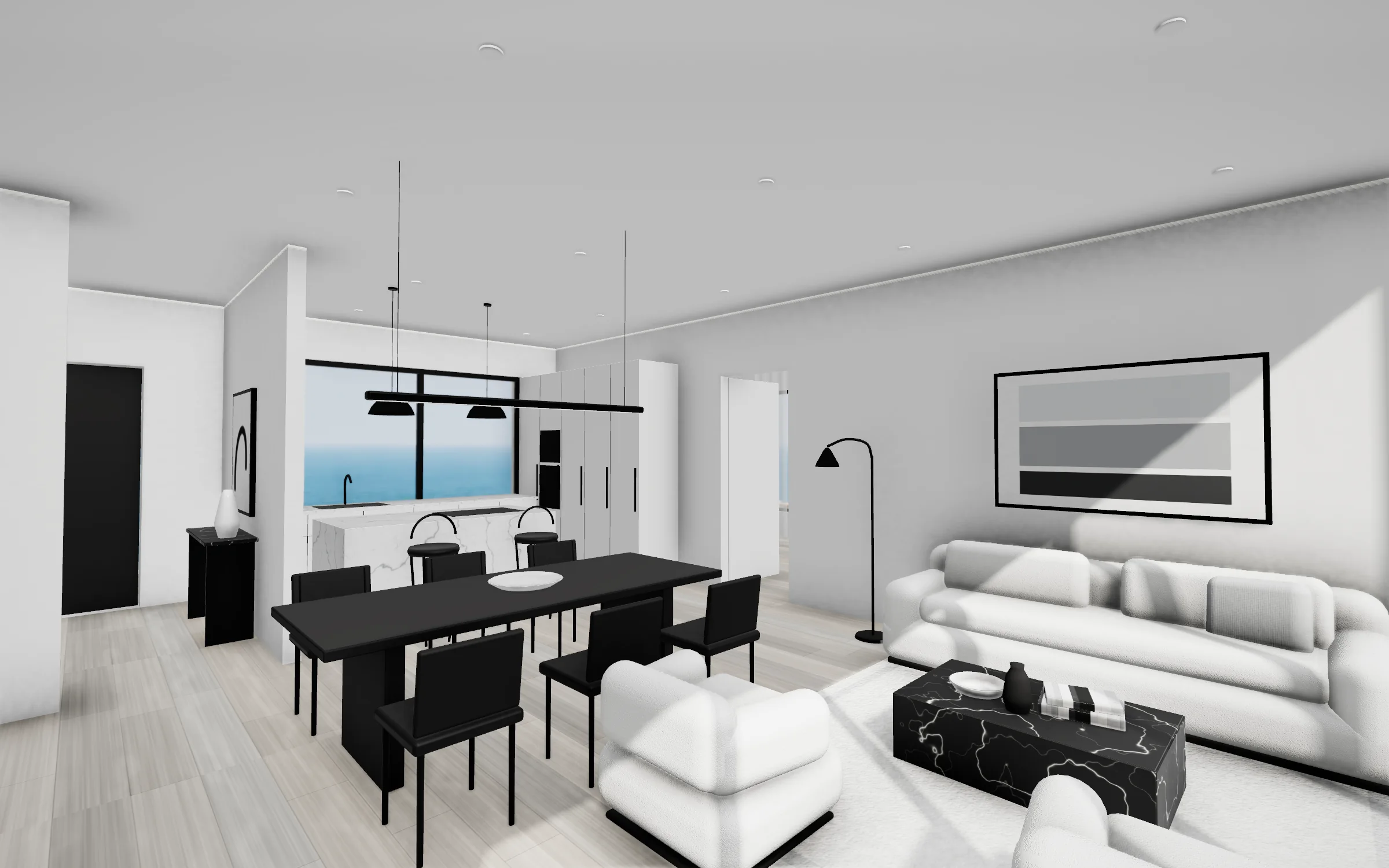
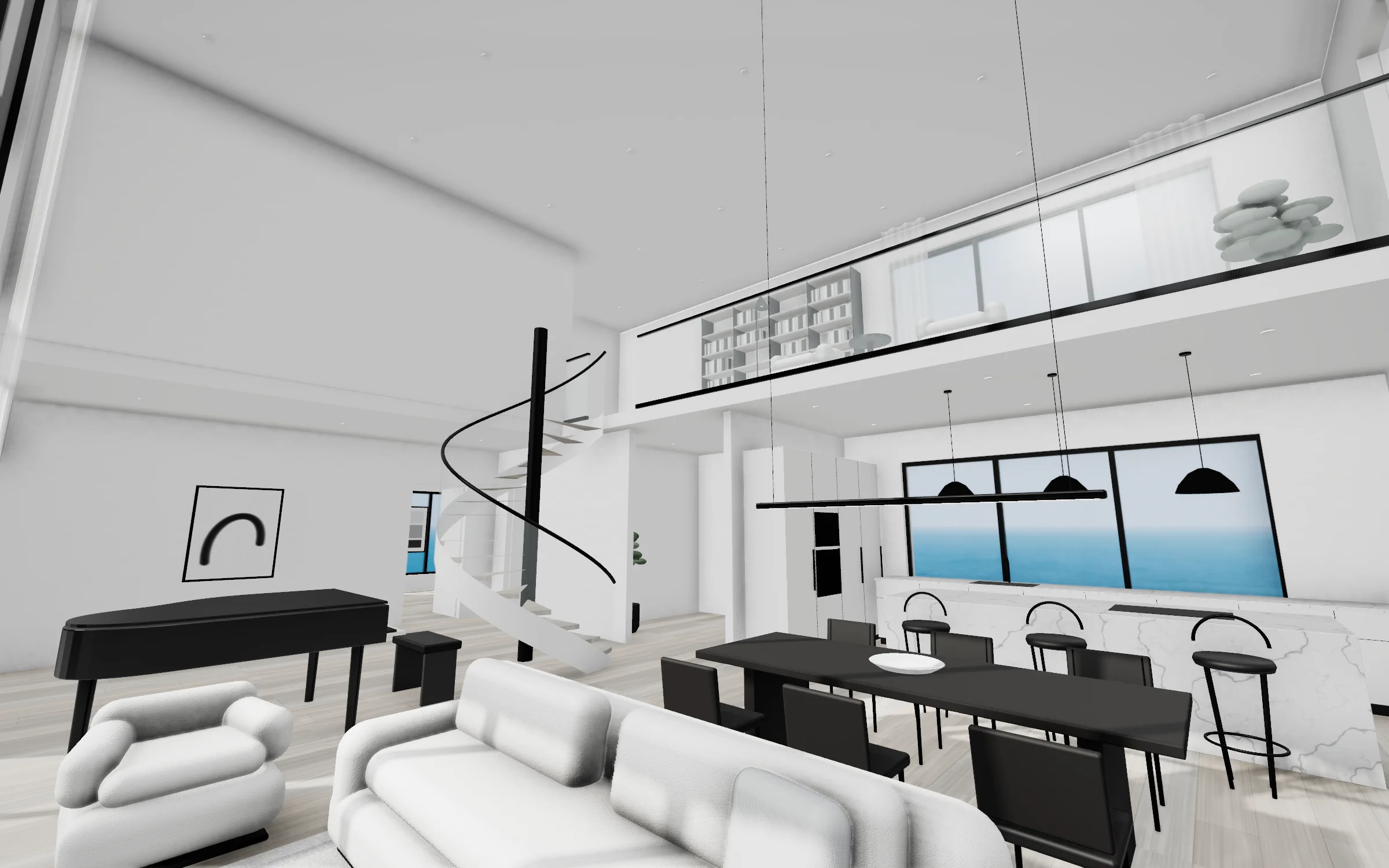
To make the ranges concrete: ALBA’s visuals show a tower by day and by night, a film and 360° tours of the residences, and ALBA’s furnished 3D residences show every unit type as a furnished model, from above and at eye height. These are concepts we built; the tower and the developer are fictional, but the scope of work is what a real project needs.
What drives the cost of architectural rendering
The 3D model
The most expensive part of a rendering job is usually not the image but the model it comes from: the building as drawn, the elevations, railings, pergolas, landscape and surroundings. The model is built once, so the first image is expensive and each one after it costs less. That is why ten images do not cost ten times one, and why it pays to commission what you need in one go rather than image by image from different suppliers.
How many camera angles, and what each one shows
Every angle is its own composition, lighting and finishing work. A street-level view of the entrance costs less than a wide view of the whole building, the garden, the street and two neighbouring blocks. When you ask for a quote, write down how many angles, from what height, and what must be visible in each.
Context, landscape and views
A building alone against the sky is one job. A building in a real street, with mature trees, pavements, street lighting, neighbouring buildings and the sea behind, is a different job. An aerial of the neighbourhood, or the view from a floor composited from drone photography at the real height, adds a stage of photography, matching and compositing.
Day, dusk and night
A night version of the same angle is not just a darker image. Windows, the lobby and the landscape lighting all need to be lit and the mood rebuilt. It does reuse the model and the composition, so it costs less than a new angle. A good quote lists a separate price for an extra version of an existing view.
Resolution, usage and deadline
A billboard several metres wide needs far higher resolution than the website, and every flaw shows, so ask for the board dimensions before rendering starts. Work against a hard date, before a launch or a planning committee, sometimes carries a surcharge because it needs parallel work; planning early is the cheapest way to lower the price.
Revision rounds
Most quotes include two or three rounds of comments per image. What raises the cost is not the round itself but a comment at the wrong stage: a change to geometry after materials and lighting are approved sends the image back several steps. Approving the grey clay model before moving to materials is the simplest way to keep the price down.
How much does a 3D architectural animation cost?
A film is priced by length, but not in a straight line. It is made of shots, and each shot needs a camera path, lighting, movement of people and cars, and dozens of rendered frames for every second. Two films of the same length can differ a lot in price: one with six static shots of the building, the other with a continuous move from the neighbourhood into the lobby and out onto a balcony, with people walking and water moving in the pool.
What to ask for in a film quote: the length of the main version, the number of shots, whether there are people and movement, licensed or original music, voice-over and in which language, short and vertical cuts for social media, and how many editing rounds. Social cuts taken from the main film cost far less than films built separately. We wrote about commercials produced with AI in our guide to AI video ads.
Why 360° tours and 3D residences cost more than a still
A normal interior still only has to be perfect in one direction. A 360° point is rendered in every direction, including the ceiling, the corner behind the door and the kitchen that never made it into the usual frame. It needs a whole finished room, not just what the flattering angle shows. A furnished 3D residence goes further: the entire unit, from above and at eye height, sometimes by day and by night.
The economics depend on the number of unit types. A project with four types needs four residence models, and the same type on another floor is mostly a question of the view. The asset earns its keep later, in the sales gallery, on a large screen in front of the buyer, so it is worth pricing together with the rest of the renders rather than as a separate project.
Does AI make renderings cheaper?
AI changes the sums for part of the work, not all of it. Geometry, meaning the building, the floors, the openings and the scale, still comes from an exact model built from the drawings, because buyers will compare the render to the plan and later to the finished building. There is no shortcut here, and the cost of the model stays.
What does get shorter is mood: dusk, night, weather, people, planting and several interior styles from one base image, with the lines of the building held fixed. In practice that means more angles and versions for the same budget, or the same package on a shorter schedule. Every image is still checked by eye: windows where they should be, people at the right scale, no invented sign or step. That is how we work in our AI imagery, video and 3D spaces service.
What to send a studio to get an accurate quote
A reliable quote needs to see the material. Include these in the first request:
- Typical and special floor plans, elevations and sections, in the latest approved revision.
- The list of assets: how many exterior and interior stills, an aerial, a film, 360° tours, 3D residences.
- Which channels: website, social media, billboards (with dimensions), deck, sales gallery.
- A materials schedule and landscape plan, if they exist. If not, say the studio should propose them.
- A BIM, Revit or SketchUp model if there is one. It shortens the modelling and lowers its cost.
- Your target date, and who approves each stage: the architect for geometry, the developer for mood, marketing for composition.
The full list of what the architect and developer should supply, and the stages and timelines of the work, are in our real estate 3D visualisation guide.
How to compare rendering quotes
Two quotes for the same amount can describe very different work. Ask every supplier to spell out the same items:
- How many exterior and interior angles, the price of one more angle, and of a night version of an existing one.
- Whether the price includes a full model built from the drawings, and what happens if the drawings change midway.
- How many revision rounds per image, and at which stage each round happens.
- Final resolution, and billboard files to your board dimensions.
- For the film: length, number of shots, people and movement, music, social cuts.
- Who owns the images, the film and the 3D model when the job is done.
- A schedule with a date for each stage, and what happens if material arrives late.
- The price of an update round if the drawings change after the renders are in use.
The model question matters most. A model you keep lets you produce new images for phase two, the next campaign and the investor and sales deck without paying for the base again.
Red flags in a rendering quote
- A price per image with no mention of building the model, and “extras” to be priced later.
- No stated number of revision rounds, or a single round with no stages.
- A portfolio of single images only, with no complete project where the same building appears consistently in every view.
- Nothing about accuracy against the drawings and the specification.
- The model and working files stay with the supplier, with no way to transfer them.
Budgeting renders within the marketing budget
Renders are usually the project’s first marketing expense, and everything else uses them: billboards, the website, the campaign, the deck and the sales gallery. So plan them by channel rather than by image count. A simple split: first the base that must exist before launch (day and dusk exteriors, the aerial, the lobby), then what the sales gallery needs before it opens (interiors, 3D residences, 360° tours), and only then the film and campaign variations. The budget follows need, and the model built in the first stage serves every stage after it. How renders fit into the whole plan, from launch to handover, is in our guide to marketing a new residential development.
What Libra builds here
We produce rendering packages for residential projects: an exact model from the drawings, exterior and interior stills by day and night, aerials, a film, 360° tours and furnished 3D residences, with AI in the mood and variation stages. It is all described in our AI imagery, video and 3D spaces service. Each project is quoted on its own, because the variables above differ every time.
For an exact price rather than a range, send a brief with the drawings you have, the list of assets you need and your target date. We reply by email with a direction, a written price and a delivery date.
No term matches.
Questions
How much does a 3D rendering cost per image?
In the market we work in, roughly $550–$1,600 for an exterior still of a residential project and roughly $400–$1,100 for an interior, as rough conversions of Israeli ranges. Further images from the same model cost less than the first.
How much does a 3D architectural animation cost?
A short 30–60 second film runs roughly $1,900–$5,400, and a full film of one to three minutes starts around $4,000 and can pass $13,500. The number of shots, movement, people and social cuts drive the price.
Why do rendering quotes vary so much?
Mostly because of the 3D model: a cheap quote sometimes leaves out a full model built from the drawings, or the surroundings and landscape. Revision rounds, resolution and who keeps the model also change the price.
Does AI make architectural renderings cheaper?
For part of the work. Mood versions, night, people and interior styles come faster from one base image, but the exact model built from the drawings is still needed and does not get cheaper.
How many revisions are included in a rendering price?
Usually two or three rounds per image. What adds cost is a comment at the wrong stage, such as a geometry change after materials and lighting have been approved.
Is it cheaper to order renders as a package?
Usually yes, because the model is built once and every extra image relies on it. Order everything needed before launch from one supplier at the same time.
Who owns the 3D model after the job?
That is set by the contract, so write it down in advance. A model you keep saves money on phase two and on later campaigns.
Getting started
Want this for your business?
Send a short brief: three required questions, the rest only if you like. We reply by email with a direction, a written price and a date.