A digital studio for luxury brands: what it does, how it differs from an agency, and how to choose one
What a luxury digital studio does: identity, website, imagery, film and content. How it differs from an agency, how to judge one and what to prepare.
Part of the guide: Business branding guide: what branding includes, from strategy to trademark
A digital studio for luxury brands builds a brand’s digital presence end to end: identity, website or store, product imagery and film, social content, and sometimes an app. What sets it apart from a general agency is not the list of services but the standard and the consistency: the same quality of image, typography and language at every touchpoint, from the logo to the email sent after an order. To choose one, look at live work rather than presentations, at image quality at full size, at typography in every language the brand uses, and at who actually does each part.
Designing a luxury website is covered in luxury website design, and the store, from product imagery to packaging, in building an online store for a luxury brand. This article is about the question before both: who builds it, and how to choose them.
What a luxury digital studio does
| Area | What it covers | What to watch |
|---|---|---|
| Identity | Logo, typography, colour, photographic language, voice, brand guidelines | That the identity is tested on real applications: packaging, website, signage, not just a deck |
| Website or store | Design, development, product pages, checkout, more than one language | Speed on a phone, even with heavy images and film |
| Product imagery | Photography or AI production from the real product, campaign and category images | That the product stays true in every image: shape, colour, material |
| Film | Campaign films, short product films, cuts for social | That the same faces and the same product return in every shot |
| Content | Posts, reels, newsletters, website copy | That content comes from the same library and voice as the site |
| Apps and systems | A client app, an internal system, service automation | Only when there is a real need, not as an add-on |
Not every brand needs every row. A small jewellery house can start with identity, a store and product imagery, and add film and content when the next collection launches. The advantage of one studio is that each stage builds on the last, from the same files and the same rules.
How it differs from an agency or a general studio
- Fewer projects, more depth. A studio working with luxury brands takes on fewer projects at once, because each needs more rounds on small details.
- The image is the craft. At a general agency, imagery is an asset bought from a supplier. Here it is part of the work, and whoever designs the site is involved in the imagery.
- Restraint. Fewer words, fewer elements, no pop-ups, no fake counters, no slogans. A luxury brand relies on what it leaves unsaid.
- Consistency before campaigns. The aim is for every touchpoint to look like the same brand for years, not one campaign that stands out and fades.
- Different measures. Not only how many clicks a post brought, but whether the brand looks the same on the site, the packaging and in store, and whether clients come back.
An advertising agency fits when the need is a campaign, media buying and wide distribution. A digital studio fits when the need is to build the brand itself and its tools. Many brands work with both: the studio builds the identity, site and imagery, and the agency distributes.
What luxury brands need digitally
- Consistency at every touchpoint. The same typography, the same light in the images and the same voice on the site, on Instagram, in the newsletter, on the packaging and in the order confirmation. Written rules in brand guidelines are what hold this together when several suppliers are involved.
- Image quality. Images that hold up full screen and in close-up, with the product correct to the detail. One weak image on a product page drags down the rest.
- Restraint in design. Space, few colours, typography chosen on purpose, and one clear buy button.
- Every language at the same level. For an Israeli brand that means Hebrew typography chosen rather than filled in by a default font, and English written natively rather than translated.
- Speed. A site with film and large images that still loads fast on a phone. A slow site cancels the investment in imagery.
- Service. A personal answer to enquiries, clear information on shipping, insurance, returns and warranty, and a post-purchase email that looks like the brand.
How to judge a studio
Every studio shows a beautiful portfolio. These are the questions that separate a presentation from work:
- Live work. Ask for links to sites running now, and open them on a phone. A mock-up in a deck shows neither speed, scrolling nor a real product page.
- Images at full size. Open product images at full size and check the details: edges, reflections, text on the label, hands. That is where careful production and fast production part ways.
- Typography in every script. Check how headings and body text look in Hebrew or any second script, how they sit with the English, and whether the typeface was chosen or is whatever the system supplied.
- Who does what. Ask who designs, who develops, who produces the imagery and film, and what goes to subcontractors. Nothing wrong with that, but you should know who answers for the result.
- The approval process. How work is approved, how many rounds are included, and where comments are kept.
- What stays with you. Source files, rights in the images, access to the site and domain, and who maintains it after launch.
If the studio produces imagery or models with AI, ask to see a whole series of the same product and the same character, not a single image. Consistency across dozens of images is the test; how it is built is covered in AI models for brands.
How an engagement runs
- Brief. What the brand is, what exists, what is needed and by when. A clear written brief saves a whole round; see how to write a creative brief.
- Direction and a written price. The studio replies with a direction, scope, price and schedule before work starts.
- Identity and rules. Where needed: logo, typography, colour and photographic language, ending in brand guidelines.
- Product and imagery. A fixed product sheet for each piece, from which product, category and campaign images are produced.
- Website. Structure, design, development, copy in each language, and testing on phones before launch.
- Film and content. From the same library: a campaign film, cuts for social, and a monthly content calendar.
- Launch and after. Launch on one date, followed by seasonal updates, new collections and maintenance.
The schedule depends on scope and on how quickly the brand makes decisions. Identity, website and imagery for one collection are usually a matter of months rather than weeks.
What to prepare before you approach a studio
- What exists. Logo, brand guidelines if any, the current site, images, packaging.
- The products. A list with names, materials, sizes and prices, and a simple photo of each, even from a phone.
- Where you sell. Website, shop, studio, stockists, abroad.
- Brands you admire. Three or four, in your field or outside it, and exactly what you like about each.
- A date. A launch, collection or fair the work has to be ready for.
- A budget range. Even a wide range helps the studio propose the right scope instead of guessing.
Examples from the studio
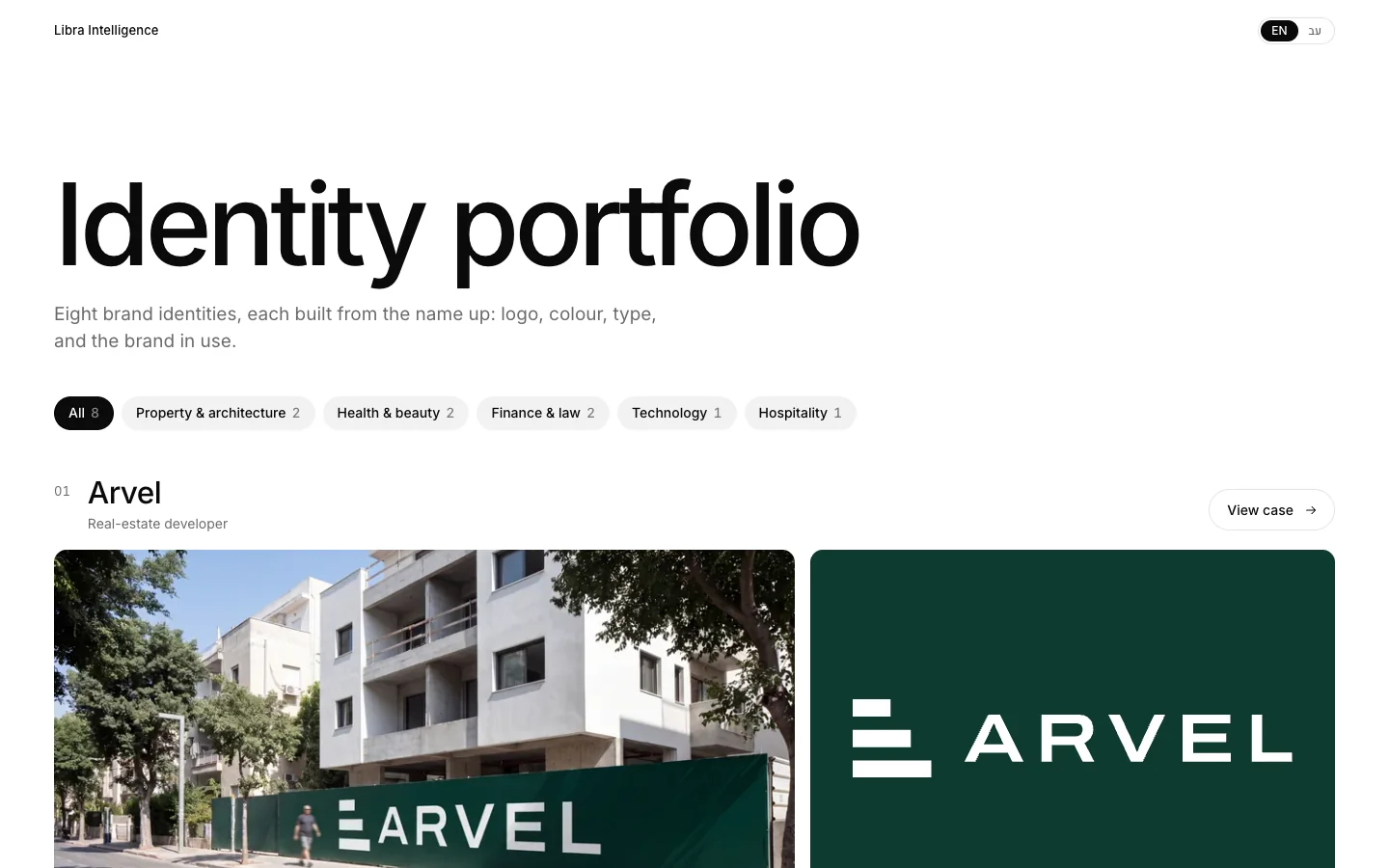
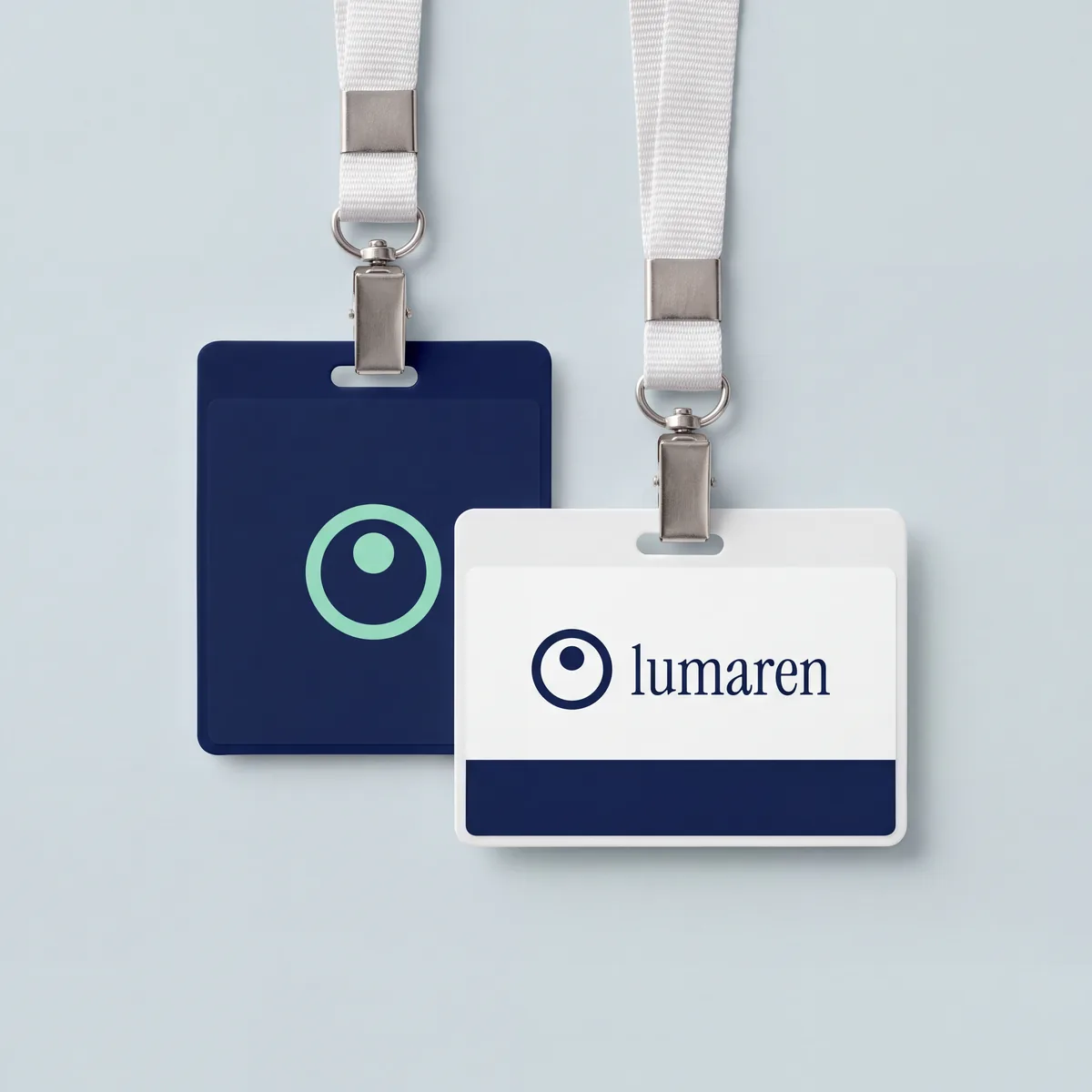
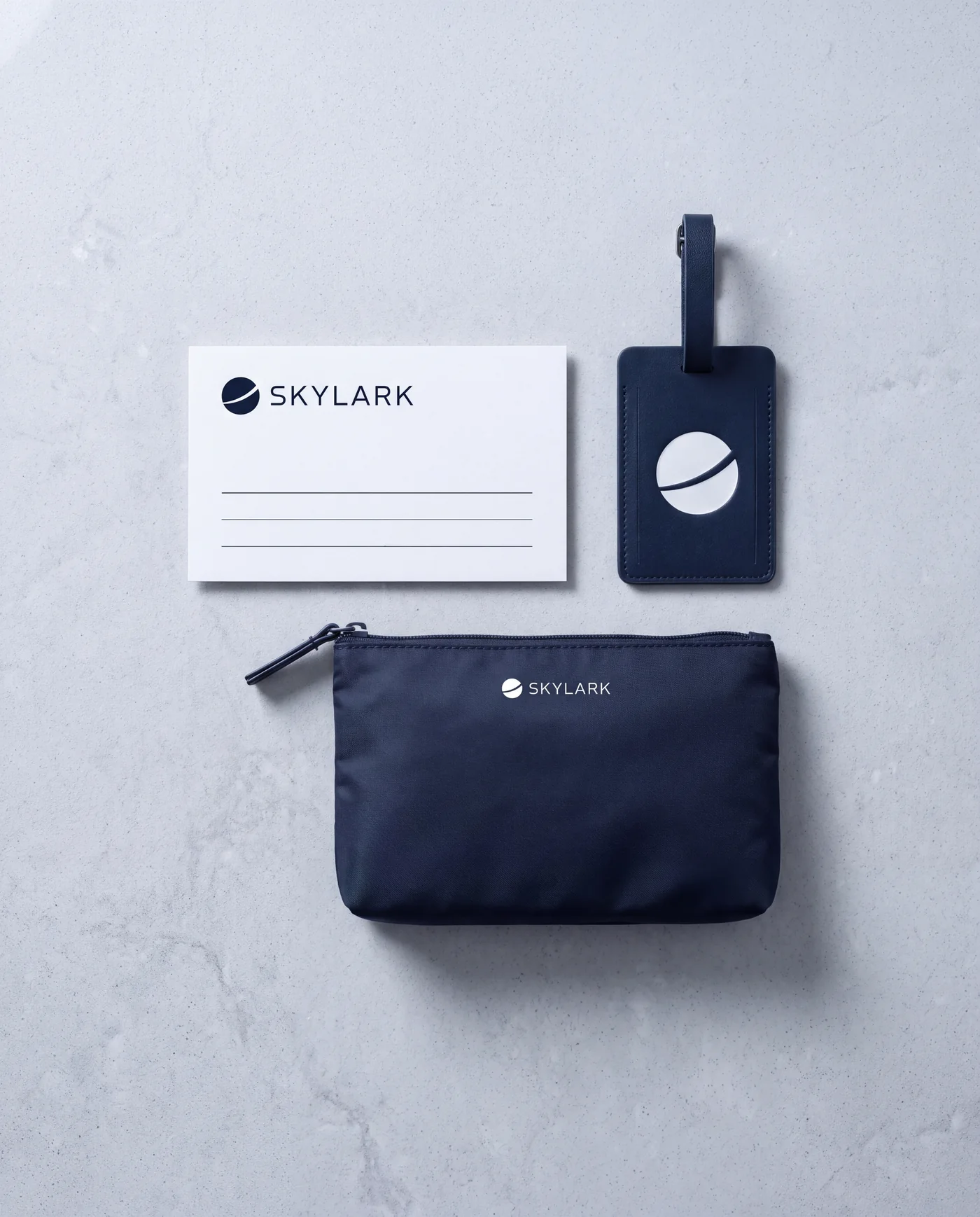
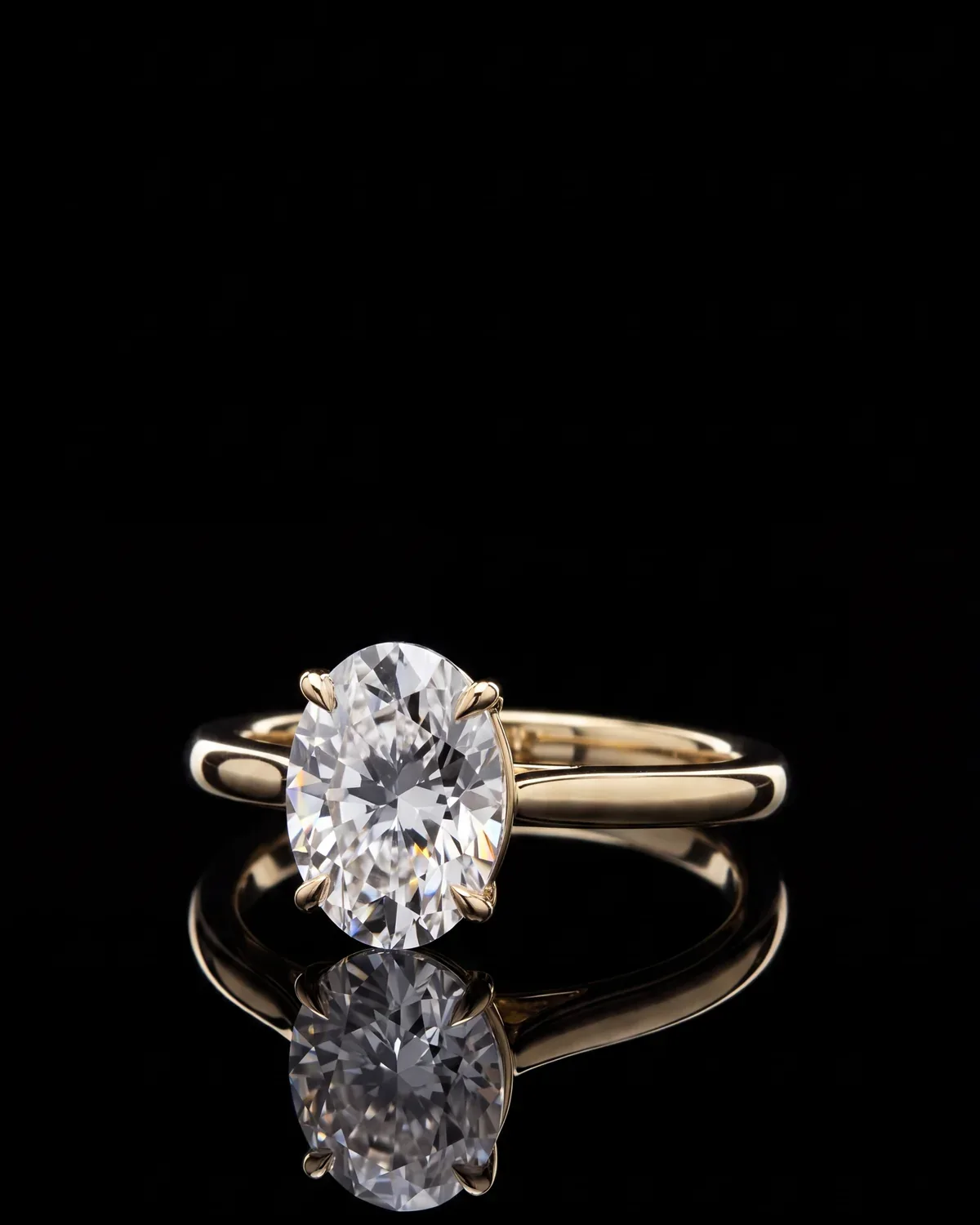
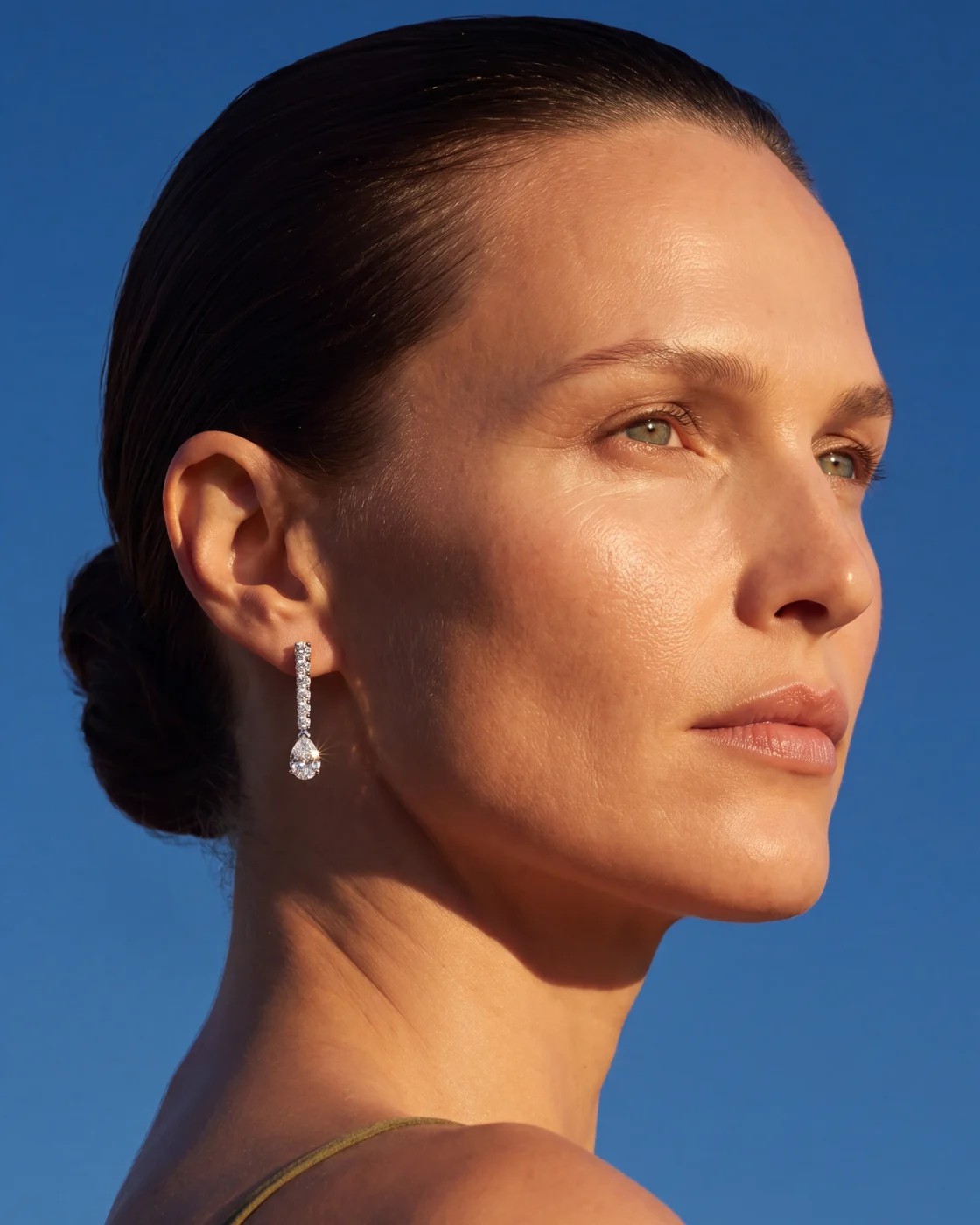
The OVELLE store is a concept we built for a fictional jewellery house: identity, store, product and campaign imagery, a fixed character and a film, all from one library. The ring at the top of this page comes from it. Our branding portfolio shows eight identities built for fictional businesses, each as a whole system. And the Libra Studio workspace, a concept we built for working with clients, shows requests, approvals with comments pinned to the image, and a library of everything delivered. These are concepts, not client work.
The digital studio at Libra
Libra Intelligence does every row of the table above under one roof: identity and brand guidelines, websites and stores in Hebrew and English, product imagery and film produced with AI from the real product, with a product sheet and a fixed character for each brand, social content, and apps and automation where they are needed. Every image is approved as a still before it becomes film. The service is described on branding. Enquiries come to us as a written brief, and the answer comes by email. Send a brief with what exists and what you need. We reply by email with a direction, a written price and a date.
No term matches.
Questions
What does a luxury digital studio do?
It builds a brand’s digital presence end to end: identity, website or store, product imagery and film, social content and sometimes an app, at the same standard of image, typography and language at every touchpoint.
What is the difference between a digital studio and an advertising agency?
An agency focuses on campaigns, media and distribution. A digital studio builds the brand itself and its tools: identity, website, imagery and content. Many brands work with both.
How do you choose a studio for a luxury brand?
Check live sites on a phone rather than decks, open product images at full size, look at typography in every script the brand uses, ask who does each part and what is subcontracted, and make sure source files and rights stay with the brand.
What should a brand prepare before contacting a studio?
What exists today, a product list with materials and prices and a simple photo of each, where the brand sells, three or four brands you admire and why, a target date and a budget range.
How long does it take to build a luxury brand’s digital presence?
Identity, website and imagery for one collection usually take months. Scope and the speed of decisions on the brand side set the schedule.
Can luxury brand imagery be produced with AI?
Yes, when it is produced from the real product with a fixed character, so the product stays true in every image. Judge a whole series of the same product, not a single picture.
Getting started
Want this for your business?
Send a short brief: three required questions, the rest only if you like. We reply by email with a direction, a written price and a date.