Hotel website direct bookings: how a hotel site wins more bookings alongside the OTAs
A hotel website built for direct bookings: why it matters next to the OTAs, rate parity, an integrated booking engine, room pages, photography, languages and Google.
Part of the guide: How to build a business website, step by step
A hotel website’s main job is to win direct bookings: reservations made on the hotel’s own site rather than through online travel agencies (OTAs). That takes a booking engine integrated into the site that works well on a phone, a page for every room type with real photos and full details, a clear reason to book direct, and the site in the languages your guests speak. The OTAs remain an important channel for discovery; the goal is not to leave them, but to make sure a guest who already knows your hotel books with you.
The general process of building a website is in our guide to building a business website. This article covers what is specific to hotels, from boutique hotels to guesthouses. The example we return to is Hôtel Marée, a fictional boutique hotel in Jaffa, for which we built a launch campaign with AI creative.
Direct bookings vs OTAs: why it matters
The big booking platforms bring a hotel guests who would never have found it alone, and charge a commission on every booking in return. Commission levels and terms vary by platform, programme and hotel, so check them in your own contract rather than relying on averages quoted online. Beyond the commission, three differences matter as much:
- The guest relationship: with a direct booking you hold the guest’s details, so you can write before arrival, offer an upgrade and invite them back. With a platform booking, what reaches you depends on its terms.
- The terms: on a direct booking you set the cancellation policy, deposit and extras.
- The experience: the guest sees the hotel as you want to present it, not as one card in a list.
Many guests discover a hotel on an OTA and then search for it on Google before booking. That moment is where the website works or fails: if it is slow, if the booking engine confuses, or if the price is unclear, the guest goes back to the platform.
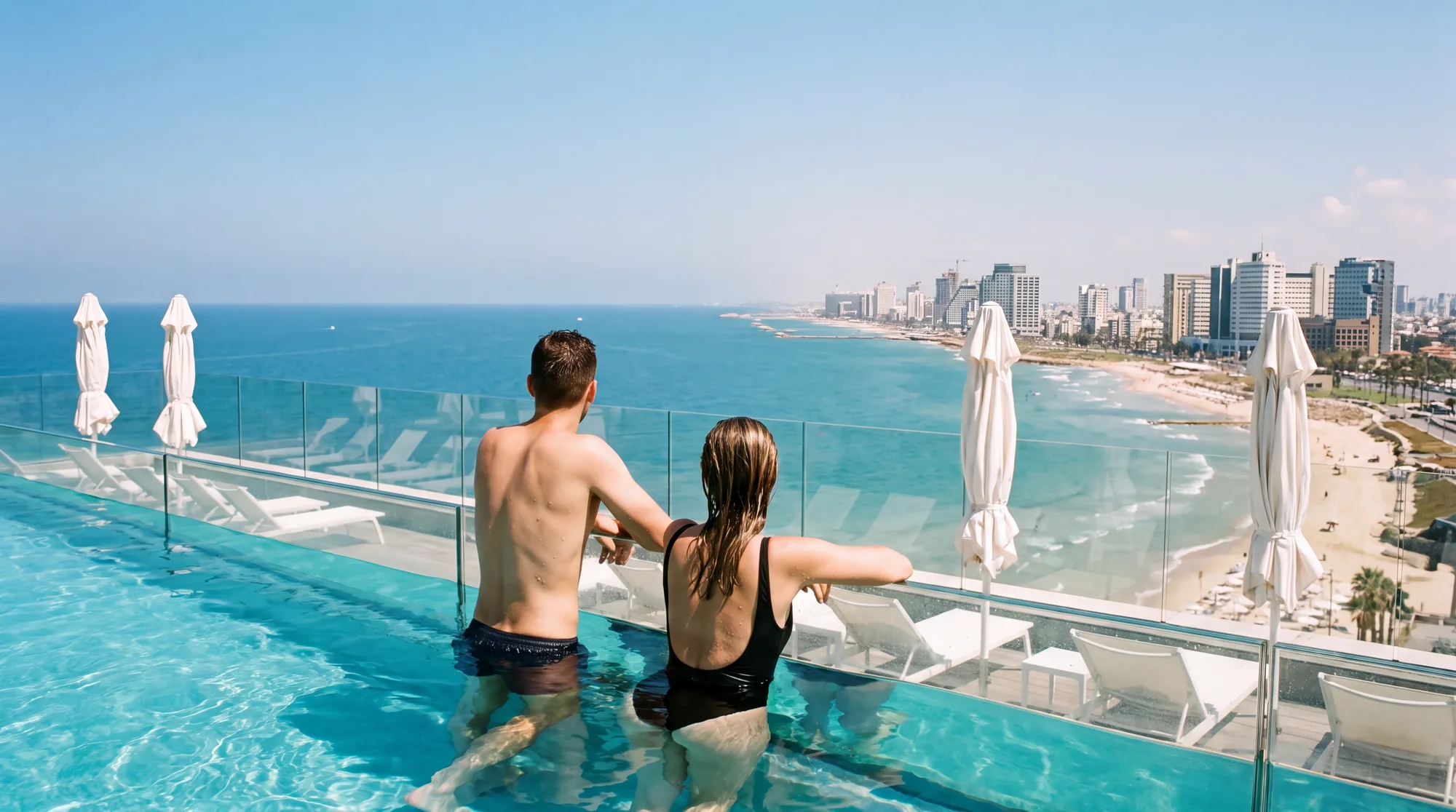
Rate parity: can you offer a better price on your own site?
OTA contracts often included parity clauses that stopped a hotel from offering better prices on other channels. In the European Union, since 14 November 2024, the Digital Markets Act has required Booking.com to let hotels offer different, including better, prices and conditions on their own websites and other channels (European Commission announcement). Outside that case, what applies depends on your contracts and your jurisdiction, so have them checked by someone who knows them.
Even at the same price, you can give guests a reason to book direct without touching the rate: breakfast, late check-out, parking, an upgrade on availability or a more flexible cancellation policy. What matters is that the benefit is visible where guests decide, next to the booking button and inside the booking engine, not on a separate page nobody opens.
The booking engine: part of the site, not a link away
The booking engine is the system that shows availability and rates and takes payment. It usually connects to the property management system and to a channel manager that keeps inventory in sync with the OTAs. The website does not replace it, but it decides how easy it is to reach and finish a booking. What to check:
- Date and guest selection is available from every page, and at the top of the screen on mobile.
- Moving into the booking engine keeps the chosen dates and the hotel’s look, rather than feeling like another site.
- Few steps to payment, and the final price, including taxes and extras, is clear before the last step.
- Languages and currencies follow the guest, with the payment methods your guests use.
- A booking started on a phone can be finished without starting over.
- Tracking follows the booking to completion, so you know which channel each booking came from.
Before choosing a design, find out which booking engine the hotel uses and what it allows: embedding in the page, a separate window, or a hand-off to another domain. That decision shapes the design, the tracking and the site’s speed more than any other.
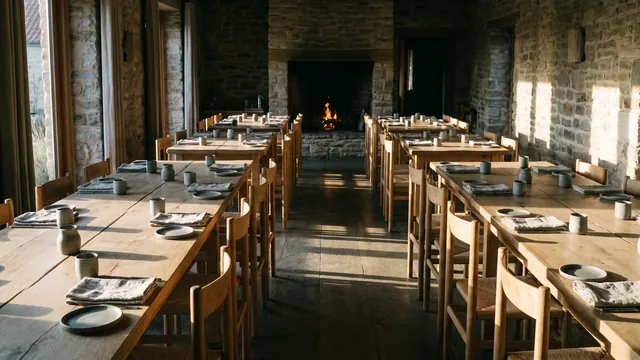
Room pages
A guest comparing rooms wants to know exactly what they get. A page for each room type, with the same structure throughout, saves them a trip back to the OTA to check one detail:
| On the room page | Why |
|---|---|
| Room size and bed types | The first question in any comparison |
| View and floor | Why guests pay more for a particular room |
| Maximum occupancy, including children and infants | Prevents bookings that do not fit |
| What is in the room and bathroom | Bath or shower, balcony, kitchenette |
| Photos of that room from several angles | Not another room, and not only the hotel |
| Accessible rooms and exactly what is adapted | Information guests with disabilities need before booking |
| “From” price and a booking button | Straight into the booking engine with the room type selected |
Photography and video
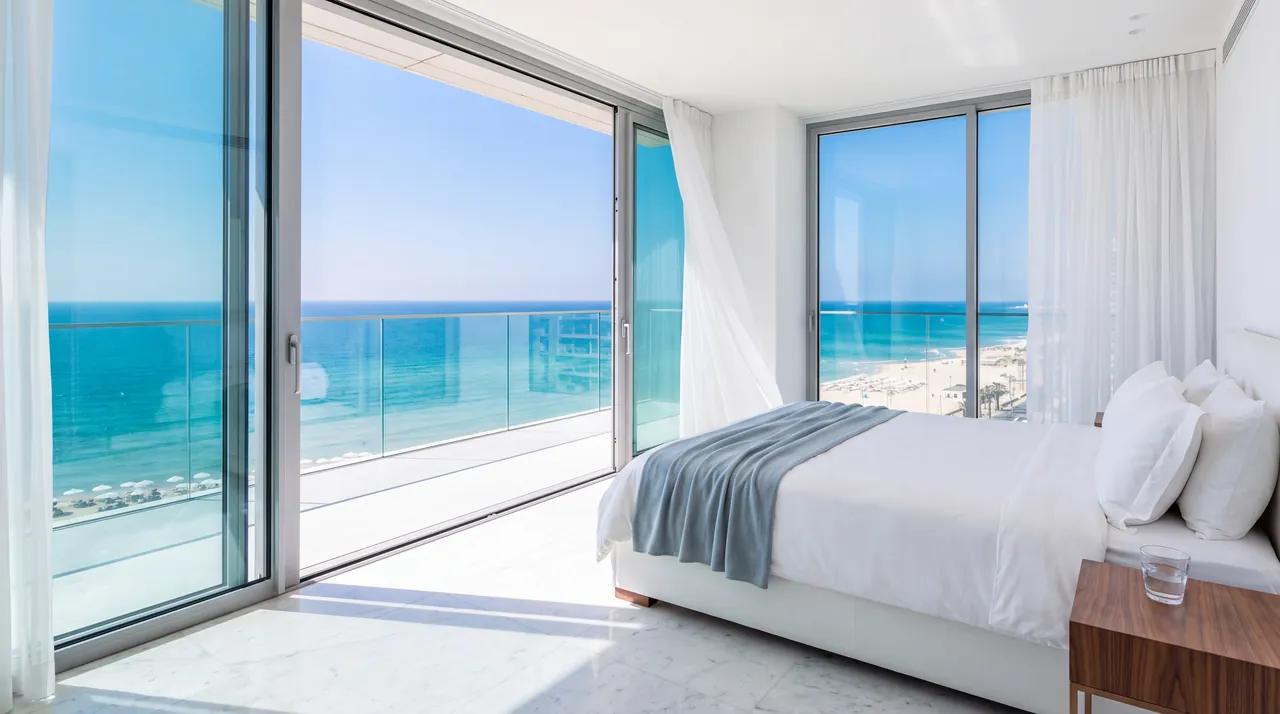
On a hotel website, photographs sell the room. They should be real, bright and inviting: daylight, a tidy room, the actual view from the window. Photos that are too dark or too cool make even a beautiful room look unwelcoming. A short video of the place helps, as long as it does not slow the home page. AI-generated imagery suits campaigns and mood, but any room, pool or view shown on the site should be the one the guest will get.
Languages and currencies
Most hotels serve guests from more than one country, so the site needs every language that matters to your bookings, each written for its audience rather than translated. A foreign guest asks about getting there from the airport, local holidays and what is open when; a domestic guest asks about parking, breakfast and check-out time. We cover the technical side, including separate URLs per language, right-to-left scripts and hreflang, with Hebrew and English as the worked example, in our guide to bilingual websites.
Google: your Business Profile and free booking links
Many hotel searches start and end on Google. The Business Profile needs to be current, with the same details and photos as the website. Beyond that, Google shows free booking links alongside hotel ads, where the hotel’s own site can appear with a rate for the guest’s dates at no cost per click (Google Hotel Center Help). A hotel can join through Hotel Center, and is sometimes already connected through its reservation system provider, so ask yours.
Guest messaging on WhatsApp
Before and after booking, guests ask a lot: is there parking, when can they arrive, are dogs welcome, how do they get there from the station. An AI agent on WhatsApp can answer from the hotel’s own information, send a booking link with the dates filled in, and pass any special request to reception. The agent concept we built for the EMBER restaurant shows how this works in hospitality, and we cover restaurants and hotels in our article on WhatsApp AI agents. Automated pre-arrival messages, such as confirmations and check-in details, go through the WhatsApp Business API; templates, the 24-hour window and pricing are in our article on the WhatsApp Business API.
Campaigns: bringing guests to the site
A site built for direct bookings also needs traffic. A boutique hotel usually combines Google search, Instagram, paid campaigns for seasons and holidays, and email to past guests. Each campaign should land on the page that matches it, such as a weekend package or a sea-view room, not the home page. The Hôtel Marée launch campaign shows the creative, the ads for each platform and the budget week by week, and we cover creative for Facebook and Instagram in our article on Meta ads creative.
Restaurant, spa and events
A hotel with a restaurant, spa or event space has another audience that never stays the night: local guests coming for dinner, a treatment or a wedding. Each deserves its own page on the hotel site, with its own booking. The restaurant follows the same principles of a menu page and table booking that we set out in our article on restaurant websites, and the EMBER website shows what that looks like.
Hotel website checklist
| Area | What to check |
|---|---|
| Booking engine | Dates from every page, hand-off keeps dates and design, final price clear, tested on a phone through to payment |
| Reason to book direct | A benefit stated next to the booking button and inside the engine |
| Contracts | Price and terms clauses with each OTA reviewed |
| Rooms | A page per room type, with size, beds, view, occupancy and photos of that room |
| Accessibility | Accessible rooms described in detail, and the site reviewed for accessibility |
| Languages | Every language that matters, each written for its audience |
| Business Profile current, and free booking links checked with your provider | |
| Tracking | Every booking tracked to completion with its source channel |
| Guests | WhatsApp answered, and pre-arrival messages set up |
| Speed | The home page loads fast on a phone, video included |
How much does a hotel website cost?
A hotel website is a business site with a booking engine integration, so it usually sits in the middle and upper part of the range we see in Israel for a site designed and built for the business: roughly $2,000–$11,000 as a rough conversion, not a price list, and agencies in the US or Western Europe often charge more. What moves the price is the number of room types, photography and video, the number of languages, how the booking engine is embedded, and pages for the restaurant, spa and events. The booking engine and channel manager are usually a separate subscription. The full breakdown is in our article on website cost.
At Libra we build hotel websites from the brand and photography through to the booking engine, along with the campaigns and the agent that answers guests; the service is described on our websites, landing pages and stores page. Send a brief with the size of the hotel, the booking engine you use and your languages, and we will reply by email with a direction, a written price and a date.
No term matches.
Questions
Why do hotels need direct bookings if they are on OTAs?
OTAs bring discovery and charge a commission on each booking. With a direct booking the hotel holds the guest’s details, sets the terms and can invite the guest back, so most hotels work with both channels.
What is a hotel booking engine?
The system that shows availability and rates and takes payment, usually connected to the property management system and a channel manager. The website should lead to it from every page and keep the dates the guest chose.
Can a hotel offer a lower price on its own website than on Booking.com?
It depends on your contracts and jurisdiction. In the EU, since November 2024 the Digital Markets Act has required Booking.com to allow hotels to offer better prices and conditions on their own websites.
How do you encourage direct bookings without cutting the rate?
Offer a benefit the OTAs do not sell, such as breakfast, late check-out, parking, an upgrade on availability or flexible cancellation, and show it next to the booking button and inside the booking engine.
What are Google free booking links for hotels?
Unpaid links shown alongside hotel ads on Google, where a hotel’s own site can appear with a rate for the guest’s dates at no cost per click. Hotels join through Hotel Center or through a connected reservation system provider.
How much does a hotel website cost?
In the market we work in, a site designed and built for the business typically costs roughly $2,000–$11,000 as a rough conversion, with hotel sites in the middle and upper part. The booking engine and channel manager are usually a separate subscription.
Getting started
Want this for your business?
Send a short brief: three required questions, the rest only if you like. We reply by email with a direction, a written price and a date.