Rebranding a business: when to do it, what to keep, and how to switch without losing customers or search
Rebranding an existing business: refresh or full rebrand, what to keep, a rollout plan for the website, Google, signage and documents, and how to tell customers.
Part of the guide: Business branding guide: what branding includes, from strategy to trademark

Rebranding a business means changing the identity of a company that already trades: sometimes only the design, sometimes the positioning too, and sometimes the name. First decide between a refresh, which keeps what customers already recognise and improves the execution, and a full rebrand, which starts from strategy. Then work out what is worth keeping from the old brand, build the new identity, and plan an orderly switch: website and redirects, the Google Business Profile, signage, documents and social media, on one date, with a short explanation to customers.
A new business builds a brand from nothing, which is a different subject covered in branding a business from zero. A rebrand has something to lose: customers who know the mark, search rankings, links, and signs already on the wall. Where rebranding sits in business branding as a whole is covered in our business branding guide.
Brand refresh vs rebrand
| Brand refresh | Full rebrand | |
|---|---|---|
| What changes | Execution: an updated logo, colours, typefaces, imagery, templates | Positioning, audience or offer, and so the whole identity, sometimes the name |
| When it fits | The business is in the right place but looks dated or inconsistent | The business has changed: a new audience or product, a merger, a new market, or a problem with the name |
| What stays | Most of what customers recognise: the name, and usually the symbol or colour | Whatever you audit and decide to keep on purpose |
| Risk | Low: customers recognise the business at once | Higher: customers have to learn a new mark |
| Time | Usually a few weeks of design | Usually several months, longer with a new name |
| Rollout cost | Often low: can be phased in | High: every touchpoint changes, ideally at once |
A rule of thumb: if the problem is how the business looks, a refresh is usually enough. If the problem is what the business says and to whom, start with strategy, and design after.
When should a business rebrand
- The business changed direction. A new product became the core, a different audience, a move from consumers to companies.
- Prices went up and the image did not. A business priced like a premium brand that looks like a first-year start-up loses customers at the comparison stage.
- A merger, split or new partner. Two brands that became one business need one identity.
- A new market. A name that works in one language and not in another, or a mark already taken in the target country.
- A problem with the name. Similarity to a competitor, a trademark conflict, or a name tied to a field the business has left.
- Everything looks different. This usually signals a missing system rather than a need to rebrand. Brand guidelines for the existing identity sometimes solve it.
There are bad reasons too: a new manager who wants to leave a mark, a team tired of the logo (customers see it far less often than staff do), or a competitor who just rebranded. If customers recognise the business, like it and it is growing, improve carefully rather than replace.
What to keep: auditing brand equity
Any business that has traded for a few years has brand equity: things customers recognise without reading the name. Before design starts, list them and decide on each one deliberately:
- The name. The most valuable asset. Changing it is a separate decision with its own process; see how to name a business.
- The colour. People remember colour before shape. Keeping the main colour, even with a new logo, keeps a thread of recognition.
- The symbol. It can sometimes be redrawn while keeping the idea.
- A line, a sound or a recurring element. Anything customers quote back.
- What works in search. The queries people use to find the business by name, shown in Search Console’s performance reports, reveal what they remember and how they spell it.
How to check: ask existing customers what they remember, read reviews and the messages they send, and see which old materials still bring enquiries.

The rebranding process, step by step
- Write down why. One sentence on what does not work today and what needs to change. If you cannot write it, it is too early.
- Audit what exists. Every piece of material on one table, conversations with customers and staff, and the list of equity to keep.
- Strategy. Positioning, audience and message, for a full rebrand. A refresh skips or shortens this.
- Identity. A name if needed, logo, colour, typography, imagery and voice, with directions and revision rounds.
- Test on real applications. The sign, the website, the invoice, the profile picture. Not just a presentation.
- Brand guidelines. The new rules in one document every supplier can follow; see brand guidelines.
- Rollout plan. Every touchpoint, who owns it and when.
- Launch and follow-up. One date, a message to customers, and checks on the website and search in the weeks after.
A new logo alone, without the rest of the system, is sometimes all a refresh needs. What it costs and should include is covered in logo design cost.
The rollout plan: every place the brand appears
Rollout is the part businesses underestimate. This is the working list to build before launch:
| Area | What changes | Watch out for |
|---|---|---|
| Website | Logo, colours, typefaces, images, copy | If URLs change: 301 redirects from every old address to its new one |
| Domain | A new domain if the name changes | Redirects, Search Console’s Change of Address tool, and keeping the old domain |
| Google Business Profile | Name, logo, photos | Change the name when the sign and website change, not before |
| Signage and vehicles | Shopfront, wayfinding, stickers, vehicles | Production times and permits; usually the longest part |
| Documents | Invoices, quotes, contracts, email signatures, decks | Templates inside accounting software and the CRM |
| Social media | Handles, profile images, covers, bios, highlights | Check the new name is free on every network before announcing |
| Legal | Company name change if needed, trademark for the new name or logo | Search and file before launch, not after |
| Third-party platforms | Directories, marketplaces, booking systems, suppliers | A complete list; everywhere the business is listed |
Website redirects and search
If a rebrand changes page URLs or the domain, it is a site move. Google’s guidance on site moves with URL changes is to use server-side permanent redirects (301 or 308), map every old URL to its new equivalent, and keep the redirects as long as possible, generally at least a year. Google also notes that rankings may fluctuate while the site is recrawled and reindexed. For a move to a new domain, use the Change of Address tool in Search Console, which requires owning both properties and applies to moves between domains or subdomains, not moves within one domain. Ongoing care after the switch, from backups to link checks, is covered in website maintenance and hosting.
Google Business Profile and the legal name
According to Google’s Business Profile guidelines, the name on the profile should reflect the business’s real-world name as used consistently on the storefront, website and stationery and as known to customers. So change it together with the sign and the website, not ahead of them. If the registered company name changes too, that is a filing with the company register in your country. In Israel, the Corporations Authority’s guide to company names (in Hebrew) applies the same tests to a change of name as to a new registration, and asks for three proposed names.
How to announce a rebrand to customers
- What changed and what did not. Customers first want to know that the service, the people and (if true) the prices stay.
- Why. One or two sentences, no slogans. “The business has grown and now works with companies too” is clearer than any statement of values.
- When. One date, not half old brand and half new for months.
- The former name. With a new name, a “formerly” line next to it during the transition, on the sign, the website and email signatures.
- Key customers first. Major customers and suppliers hear before the public announcement.
How much does rebranding cost
Rebranding costs come in two parts. The first is design, priced like branding: a refresh usually at the level of a basic identity, a full rebrand at the level of a full identity or full brand, using the ranges in our business branding guide. The second is rollout: signage, printing, updating the website and systems, trademark filing and internal staff time. For a business with branches, vehicles or packaging, rollout often costs more than the design. Ask the studio for a complete list of applications, and price production with suppliers before approving a direction.

Examples from the studio
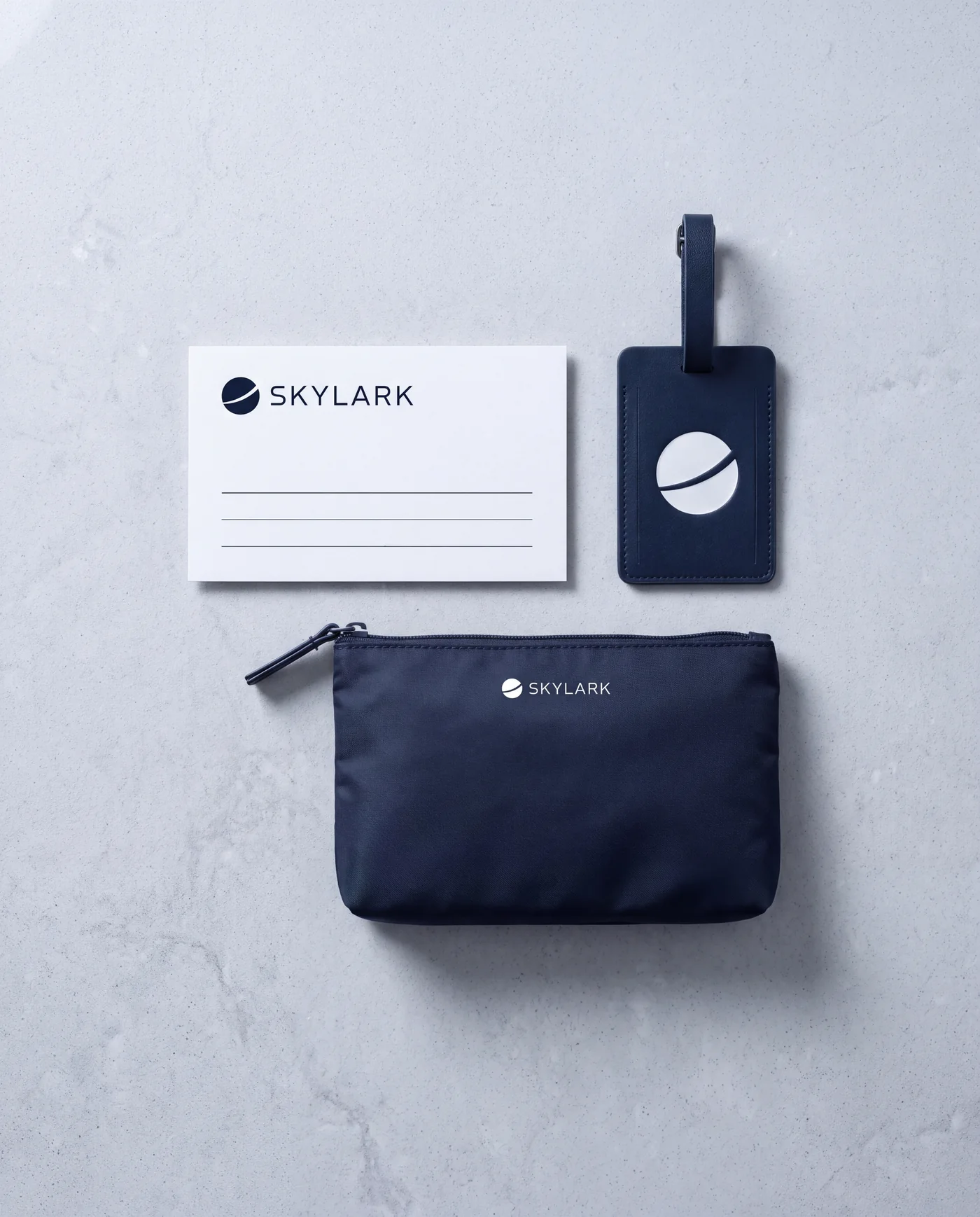
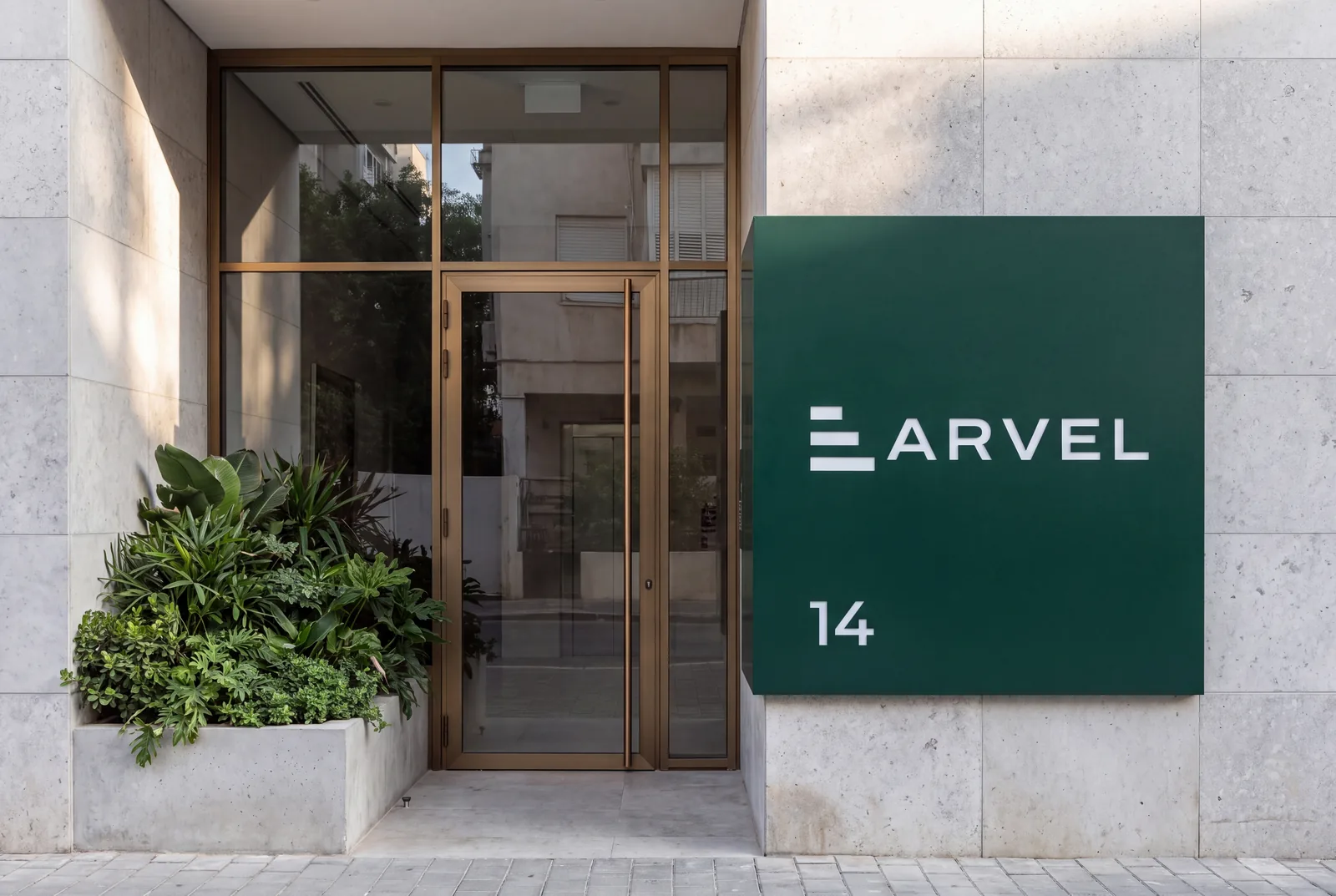
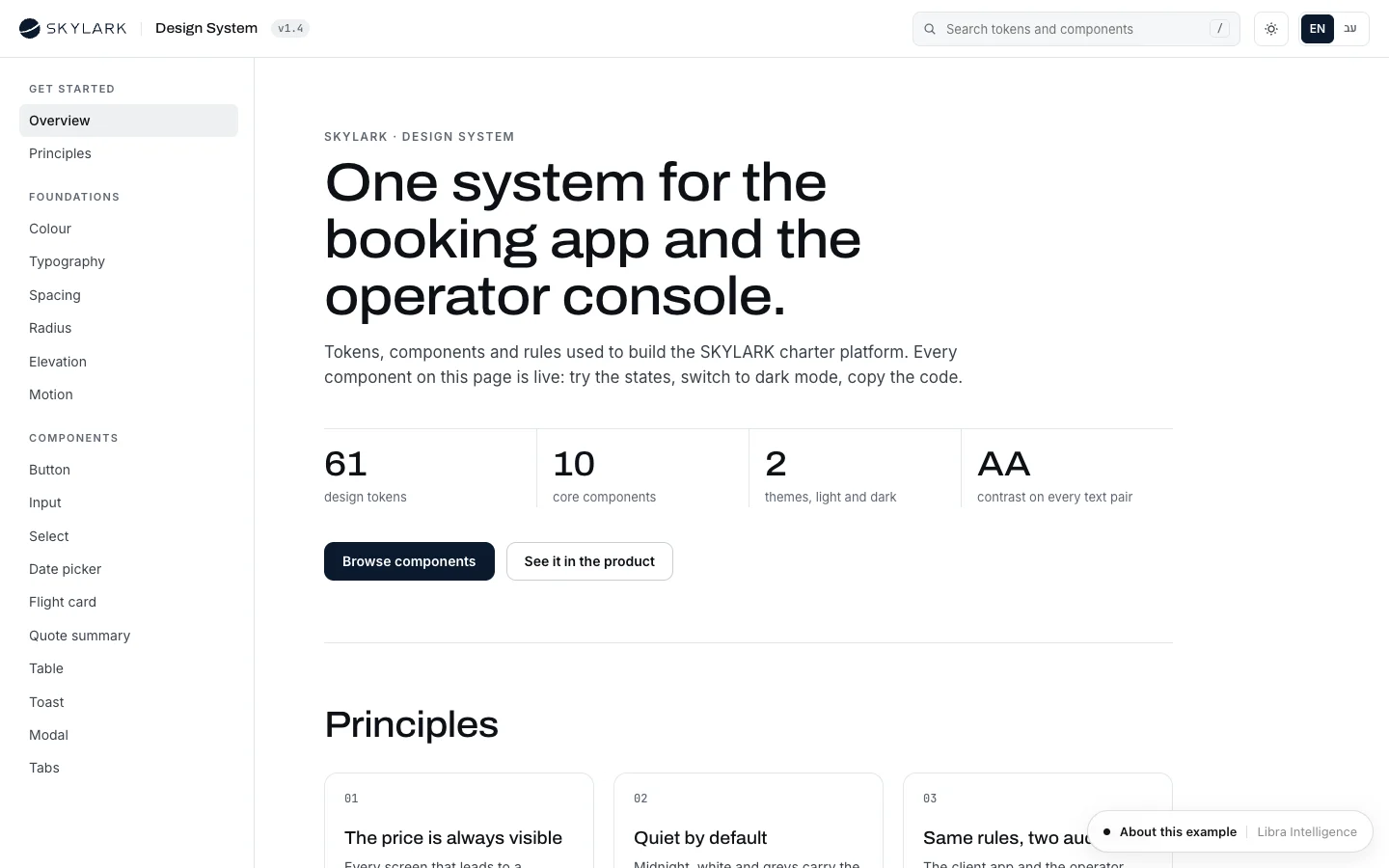
In our branding portfolio every identity is shown as a whole system: logo, colours, signage and applications, like the OREA estate entrance at the top of this page. The ALBA identity is documented as brand guidelines any supplier can work from, and the SKYLARK design system shows how an identity becomes components in code, so a rebrand of a digital product updates in one place. These are concepts we built with fictional businesses.
Rebranding at Libra
We do refreshes and full rebrands, in Hebrew and English, including the equity audit, the identity, the brand guidelines, the new website with its redirect map, and the content. Our website and branding work is described on websites, landing pages and stores. If you are considering a rebrand, send a brief with what does not work today and what has changed in the business. We reply by email with a direction, a written price and a date.
No term matches.
Questions
What is the difference between a brand refresh and a rebrand?
A refresh improves the execution, such as the logo, colours and typefaces, and keeps what customers recognise. A full rebrand changes the positioning, audience or offer, and so the whole identity and sometimes the name.
When should a company rebrand?
When the business itself has changed: a new audience or product, a merger, a new market, a problem with the name, or prices that rose while the image did not. If the only issue is a dated look, a refresh is usually enough.
Will rebranding hurt my SEO?
A visual change alone does not change URLs. If URLs or the domain change, Google recommends 301 redirects from every old URL to its new one, kept for at least a year, and the Change of Address tool for a domain move. Temporary ranking fluctuations are possible.
How long does a rebrand take?
A refresh usually takes a few weeks of design, and a full rebrand several months, longer with a new name. Rollout, especially signage and printing, adds its own time.
How much does it cost to rebrand a business?
Design is priced like branding by scope, and rollout comes on top: signage, printing, website and systems, trademark filing. For businesses with branches or packaging, rollout often costs more than the design.
How do you tell customers about a new name?
With a short message that says what changed, what did not and why, a single date, and a “formerly” line next to the new name during the transition. Key customers and suppliers hear first.
Getting started
Want this for your business?
Send a short brief: three required questions, the rest only if you like. We reply by email with a direction, a written price and a date.