Branding agency in Tel Aviv: agency, studio or freelancer, what branding includes, and how to choose
Choosing a branding agency as a Tel Aviv business: agency, studio or freelancer, what branding includes, reading a portfolio, and whether location matters.
Part of the guide: Business branding guide: what branding includes, from strategy to trademark
To choose a branding agency in Tel Aviv, first decide which kind fits the business: a large agency, a boutique studio or a freelance designer. Then look for portfolios of complete identities rather than logos, ask who will actually work on the project, and ask for a proposal that lists what you receive at the end: strategy, logo, identity, brand guidelines and applications. Being in Tel Aviv helps with meetings and with print and signage suppliers, but it is not a requirement; the process, the people and the handover decide.
This is a guide to choosing, not a list of firms. What branding itself includes and how it is structured is covered in our business branding guide.
Large agency, boutique studio or freelancer
| Large advertising or branding agency | Boutique studio | Freelance designer | |
|---|---|---|---|
| Who works on it | Teams by department; partners pitch, others deliver | A small team; whoever presents usually does the work | One person, sometimes with project partners |
| What they do well | A brand that launches with a campaign, media and large productions | A full identity from strategy to applications, with direct contact | A logo and basic identity, quickly and on a small budget |
| What to check | Which of the people who pitched stay on the project | Whether they can cover every application you need, such as a website or packaging | Availability, backup, and what happens after handover |
| Fits | A company with a media budget, branding one part of it | A business whose brand is a core asset | A small business with a clear brief and a limited budget |
All three call themselves branding agencies, so ask directly: how many people will work on this, who are they, and what does each one do.
What a branding engagement includes
- Strategy. Positioning, audience, competitors and the core message. This is what separates branding from logo design.
- Name. If needed. Choosing a name, checking domains and social handles, and checking trademarks; see how to name a business.
- Logo. A mark, the name in Hebrew and English if both are used, and versions for different uses.
- Visual identity. Colours, typefaces, photographic style, graphic elements and tone of voice.
- Brand guidelines. Every rule in one document any supplier can follow; see what goes in a brand book.
- Applications. Sign, business card, stationery, website, social media, packaging, uniforms, vehicles. Every business needs a different list.
Not every business needs all of it. A small business can start with a logo and basic identity; what matters is that the proposal says exactly what is included, so you do not discover at the end that you have a logo without files or an identity without rules.
How to read a branding portfolio
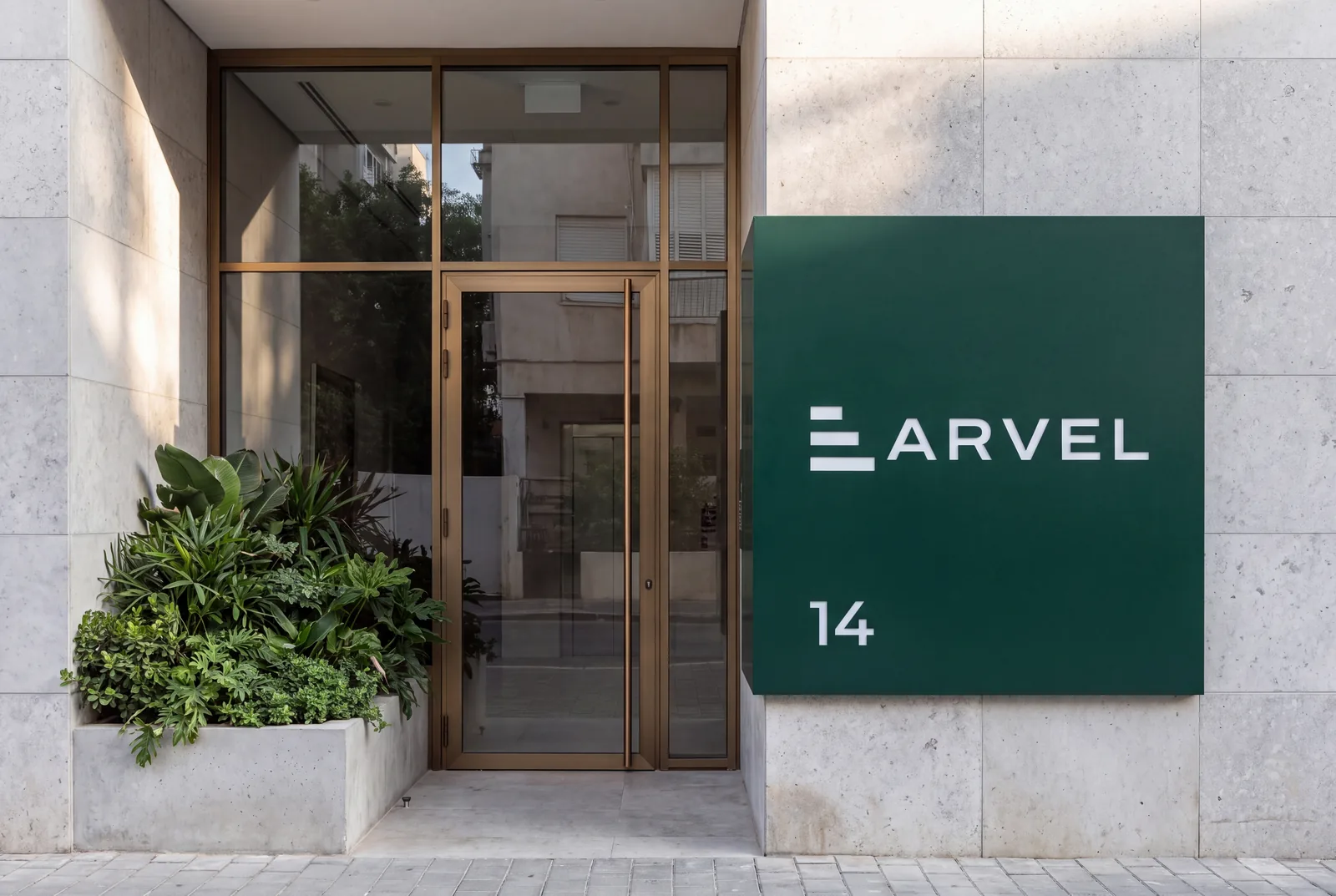
- Complete identities, not logos on white. Look for the same brand on a sign, a website, packaging and a document. That is where you see whether there is a system.
- Real applications. A photograph of a sign on a wall or a pack on a shelf says more than a mockup. If it is all mockups, ask what went into production.
- Range. Does all the work look the same? A good studio designs for the business, not for its own style.
- Hebrew. For an Israeli business, a Hebrew name and logo that work beside the English version, not Hebrew added at the end.
- Explanation. Each project should say what the problem was and what was decided. A portfolio without words shows taste, not process.
- Concepts labelled. Work for a fictional business is legitimate, as long as it says so.

Questions to ask before you choose
- Who will actually work on the project, and who is our contact?
- What are the stages, and what do we approve at each one?
- How many directions are presented, and how many revision rounds?
- Which files do we receive at handover, and in which formats?
- Who owns the rights in the logo and identity, and when do they transfer?
- Which typefaces are used, and who pays for the licence?
- Do you run trademark searches, or is that on us?
- Who oversees production: signage, print, packaging?
- What happens after handover, if we need a new application in six months?
The rights question matters most. Under Israel’s Copyright Act (in Hebrew), copyright in commissioned work belongs to its creator unless agreed otherwise (section 35), and a transfer must be in writing (section 37). So ask for the contract to assign all rights on final payment. This is not legal advice. What else to put in writing up front is covered in how to brief a studio.
Does it matter that the agency is in Tel Aviv
Less than it seems, but there are cases where it helps:
- Meetings. A kick-off and the presentation of directions work better in person, especially when several partners need to decide together. The rest of the work can run in writing, in shared files and in remote meetings.
- Suppliers. Signage, print, packaging and embroidery sometimes need a sample, colour or material checked on site. A studio that works with local suppliers can go and check, but a studio elsewhere can also work with your suppliers.
- Knowing the street. For a business with a Tel Aviv audience, such as a restaurant, shop or clinic in the city, it helps if the designer knows the street where the sign will hang and the businesses beside it. That can also be learned with a visit.
- Photography on location. When the place, the team or the products need photographing, the photographer has to be there. That is true of any studio, anywhere.
What does not depend on location: the quality of the strategy, the identity, the brand guidelines and the files. A studio that fits and is far away beats one that is close and does not fit.
Process and timeline
7 steps
Brief and proposal
What the business is, who it serves, what exists and what is needed.
Discovery
Conversations with the owners and sometimes customers, a look at competitors.
Strategy
A short positioning and message document, approved before design.
Directions
Two or three identity directions, shown on applications rather than as a logo alone.
Development
The chosen direction becomes a full system, with revision rounds.
Brand guidelines and handover
Rules, files and rights.
Applications and production
Sign, print, website, packaging, as ordered.
A basic identity usually takes a few weeks, and full branding with strategy and brand guidelines several months. A new name adds time, mainly for the checks. Time also depends on how many people decide on the business side and how fast they approve. Producing signs and packaging adds its own time, worth scheduling with suppliers in advance. For an existing business there is also a switchover plan; see rebranding.
How branding is priced
Branding is priced by scope: whether there is strategy, whether a name is needed, how many directions and rounds, how many languages, how many applications, and whether there is a full brand book. The type of firm matters too, since a large agency also prices its overhead. The price usually excludes production, trademark filing and font licences, so ask for them as separate lines. Ranges by scope are in our business branding guide, and the price of a logo alone in logo design cost.
Examples from the studio
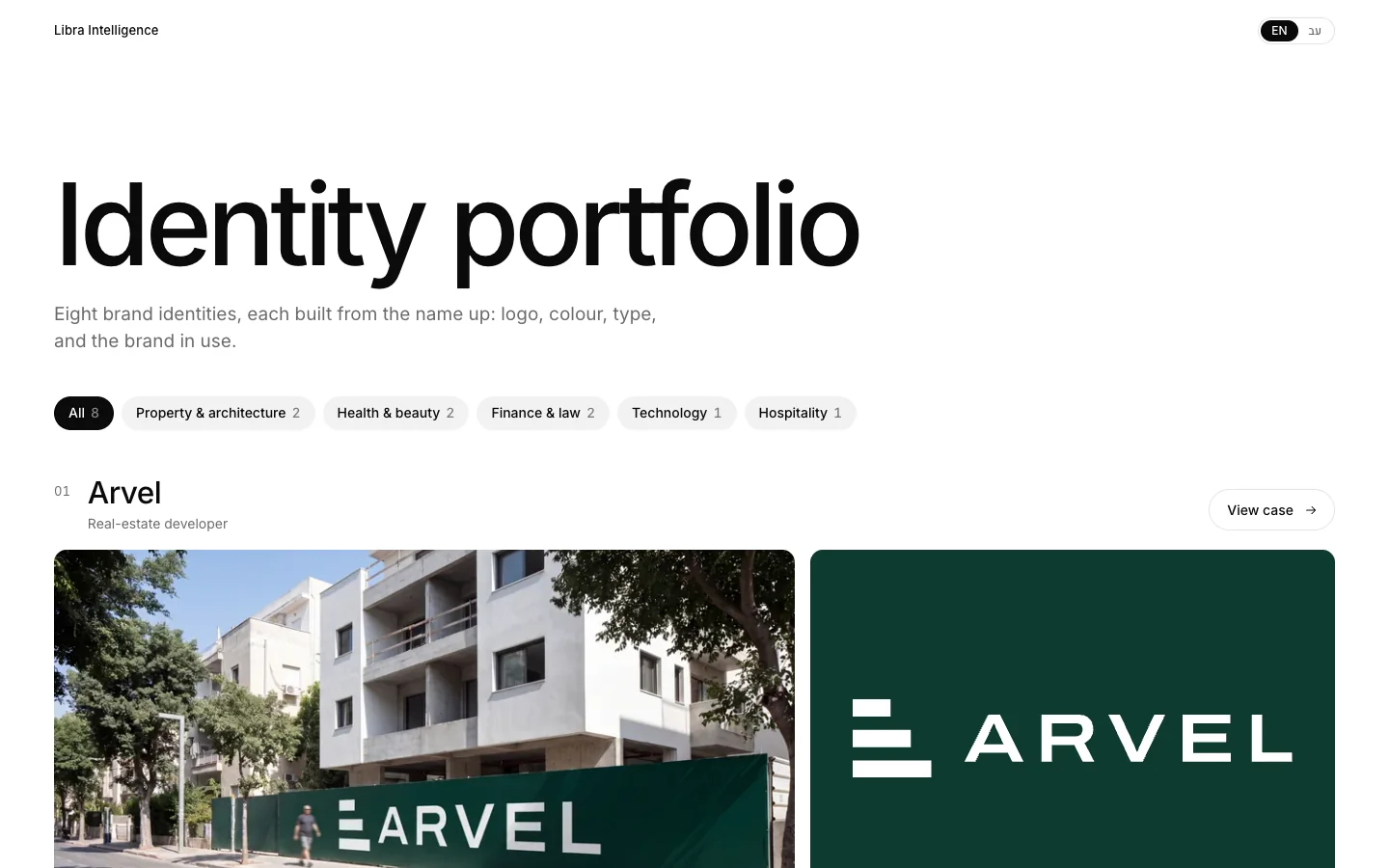
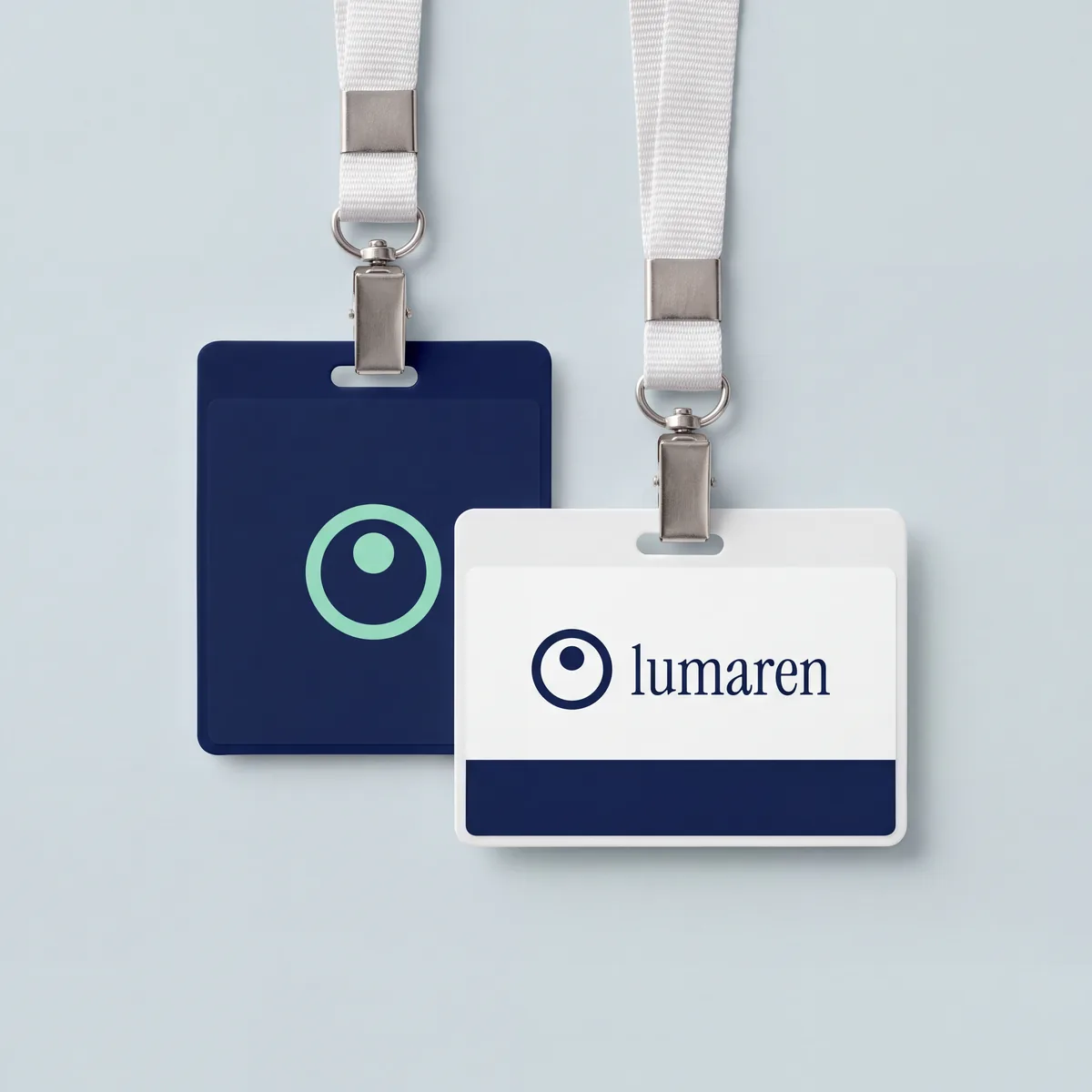
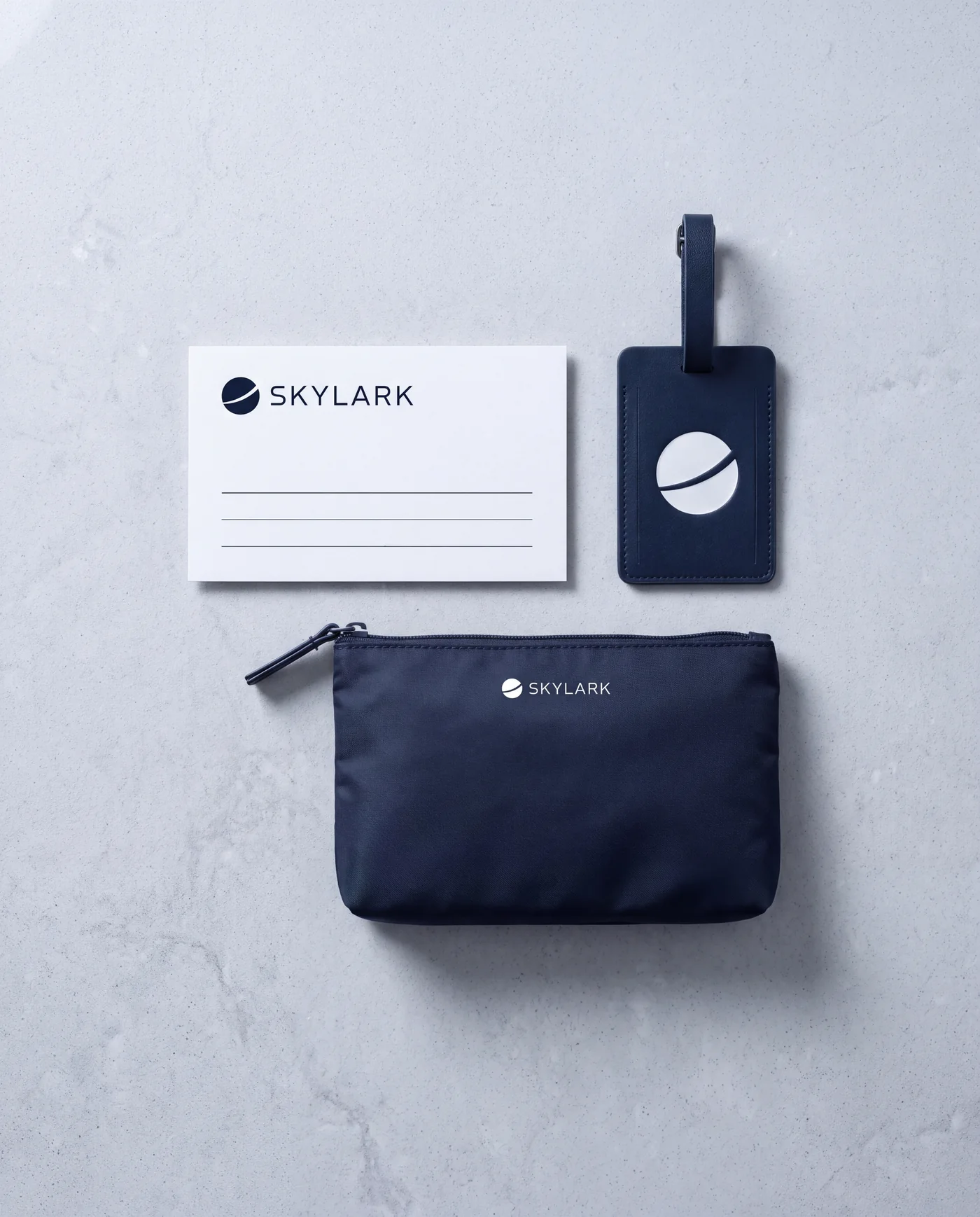
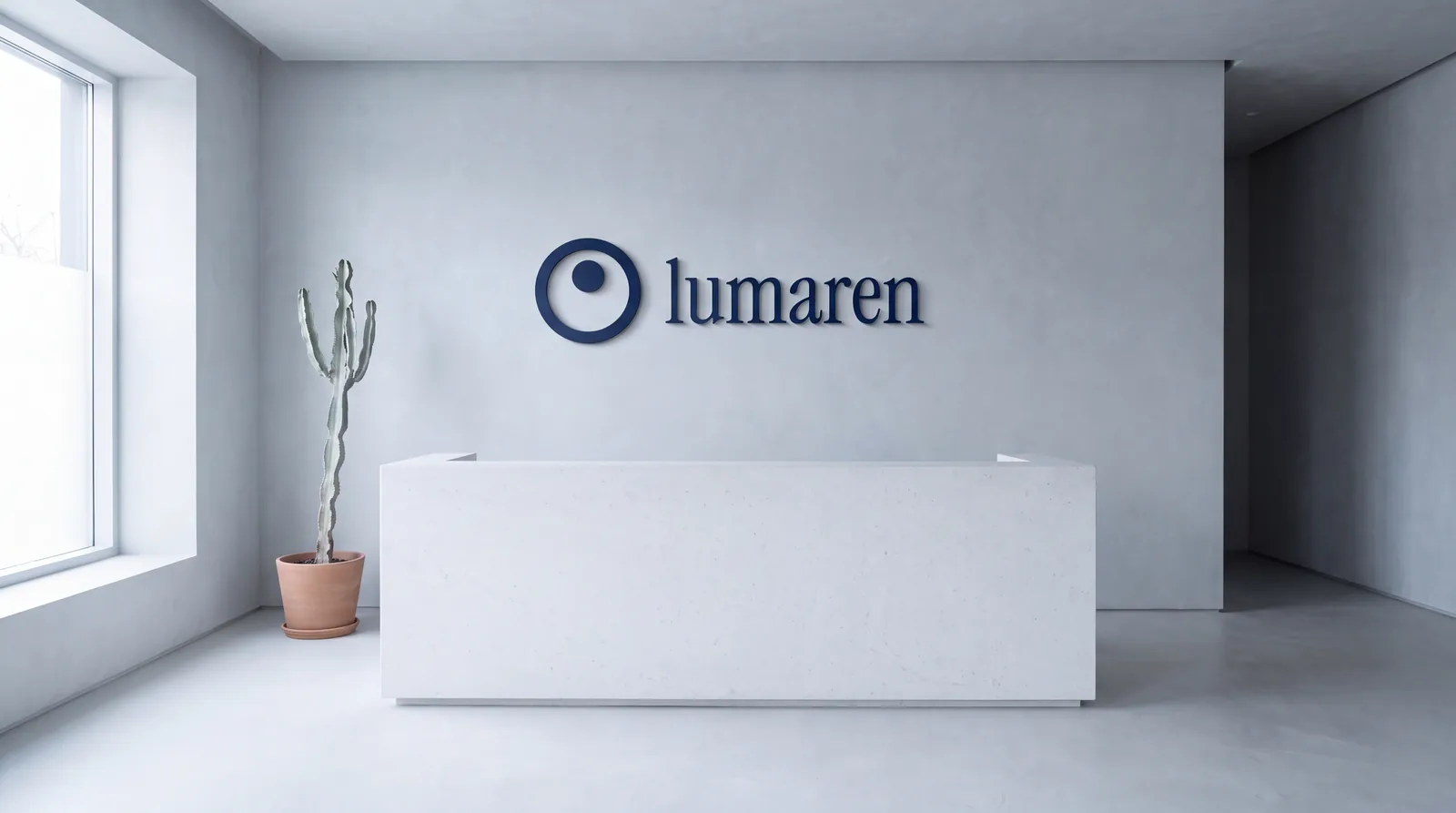
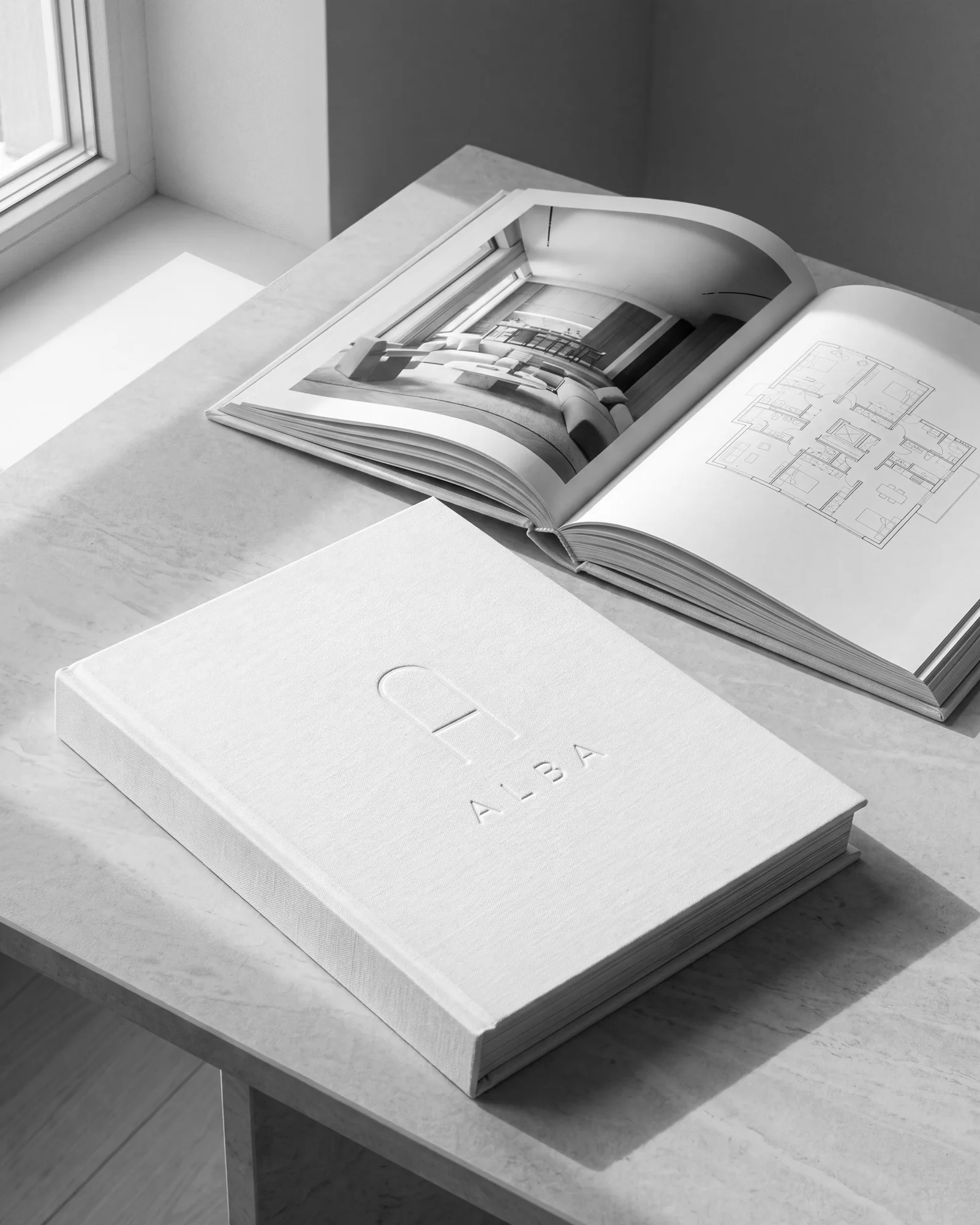
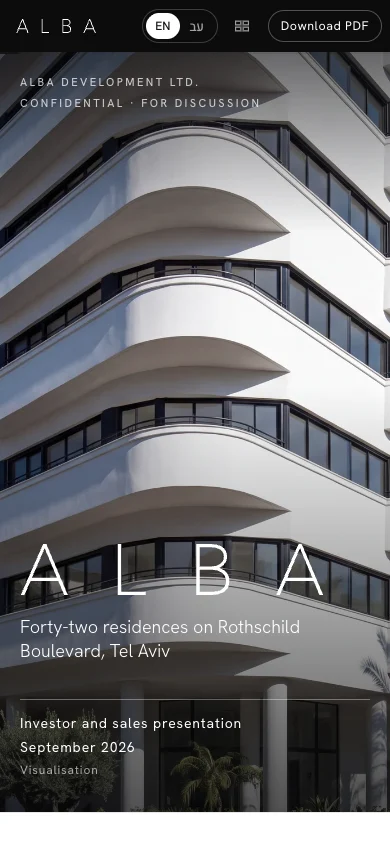
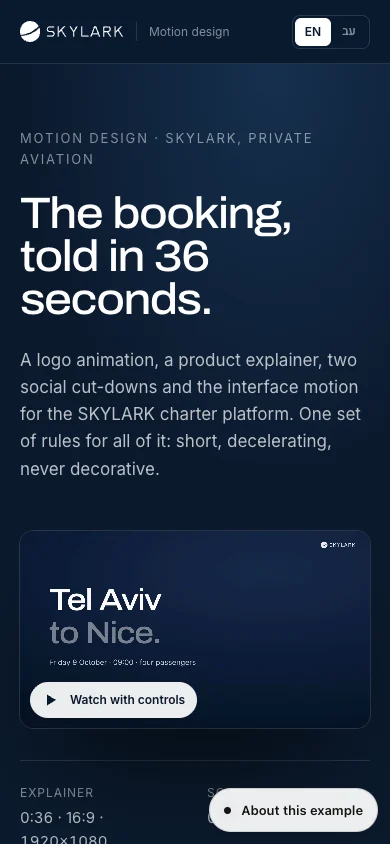
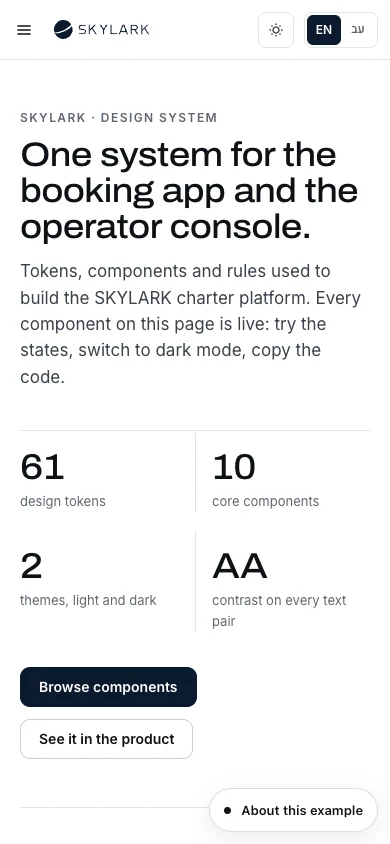
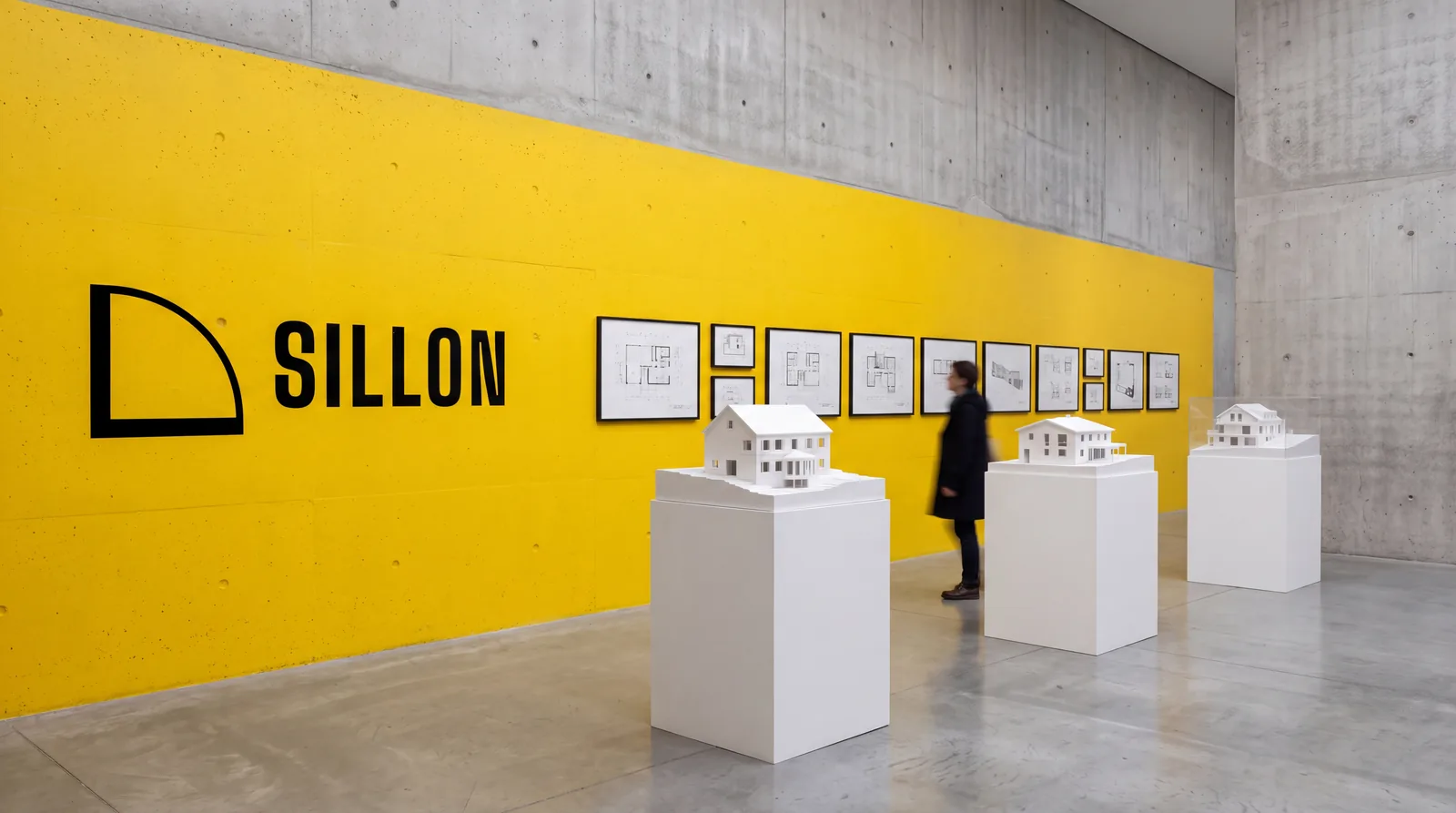
In our branding portfolio each identity is shown as a system: logo, colour, signage and applications, like the Lumaren reception desk at the top of this page. The SKYLARK brand, a private aviation company, was built from zero: name, strategy, identity, and applications from the aircraft to the app. The ALBA brand guidelines, for a residential tower, show an identity carried into site hoardings and sales material. These are concepts we built with fictional businesses.
Branding at Libra
We work with businesses across Israel, in writing and in meetings when needed, on strategy, naming, logo, identity, brand guidelines and applications, in Hebrew and English, with a full transfer of rights and source files. The work is described on branding. If you are choosing a branding studio, send a brief with what the business does, what exists and what is needed. We reply by email with a direction, a written price and a date.
No term matches.
Questions
How do I choose a branding agency in Tel Aviv?
First decide between a large agency, a boutique studio and a freelancer. Then look at portfolios of complete identities, ask who will actually do the work, and ask for a proposal that itemises stages, applications, files and rights.
What is the difference between a branding agency and a branding studio?
A large agency works in departments and suits a brand launching with a campaign and media. A boutique studio is a small team where whoever presents usually does the work, suited to a full identity from strategy to applications.
What does a branding project include?
Strategy, a name if needed, logo, visual identity, brand guidelines, and applications such as signage, website and packaging. A small business can start with a logo and basic identity, as long as the proposal says what is included.
Does a branding agency need to be in Tel Aviv?
It helps with meetings, checking samples with signage and print suppliers, and knowing the business’s surroundings, but it is not a requirement. The quality of the strategy, identity, guidelines and handover does not depend on location.
How long does branding take?
A basic identity usually takes a few weeks, and full branding with strategy and brand guidelines several months. A new name, many decision-makers, and production of signs and packaging add time.
How much does a branding agency cost?
The price depends on scope, strategy, naming, directions, languages, applications and brand guidelines, and on the type of firm. Production, trademarks and font licences are usually separate lines. Ranges are in our business branding guide.
Getting started
Want this for your business?
Send a short brief: three required questions, the rest only if you like. We reply by email with a direction, a written price and a date.